A Campbelltown Termguard refill / Campbelltown reticulation barrier top-up is not a cosmetic maintenance job. It is the service that restores the chemical protection beneath and around your home before subterranean termites find an untreated route into the structure. If your property has a reticulation system, keeping it charged on schedule is one of the most practical ways to guard your biggest investment.
Termites are active across Campbelltown, Camden, Minto, and Liverpool, particularly where homes sit near bushland, established gardens, timber fences, drainage lines, or damp subfloor areas. A reticulated chemical barrier gives you a major advantage, but only when the system remains serviceable and the chemical treatment is replenished at the correct interval.
How a Termguard Reticulation Barrier Works
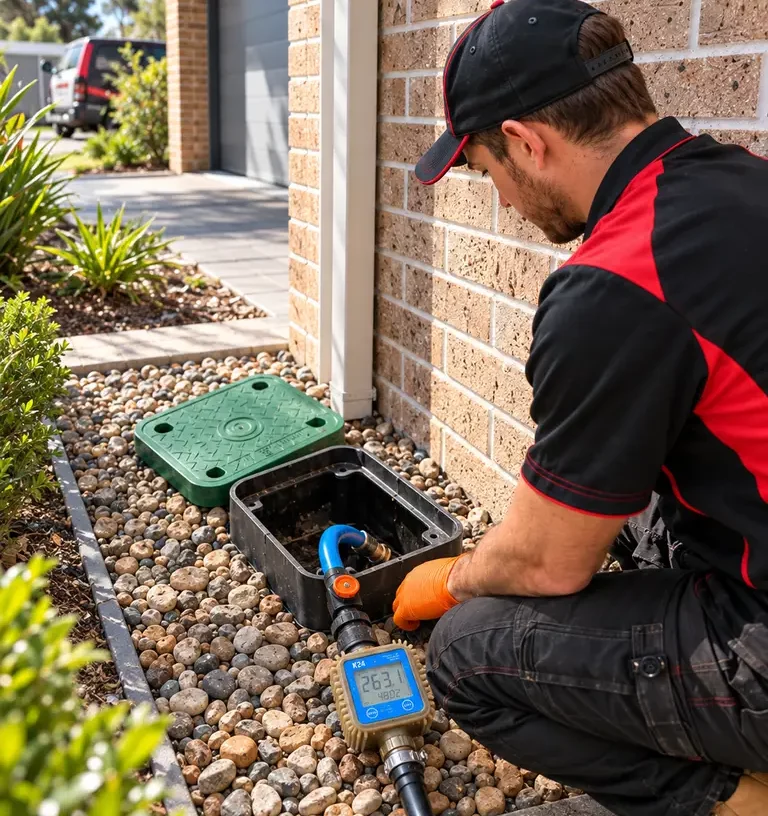
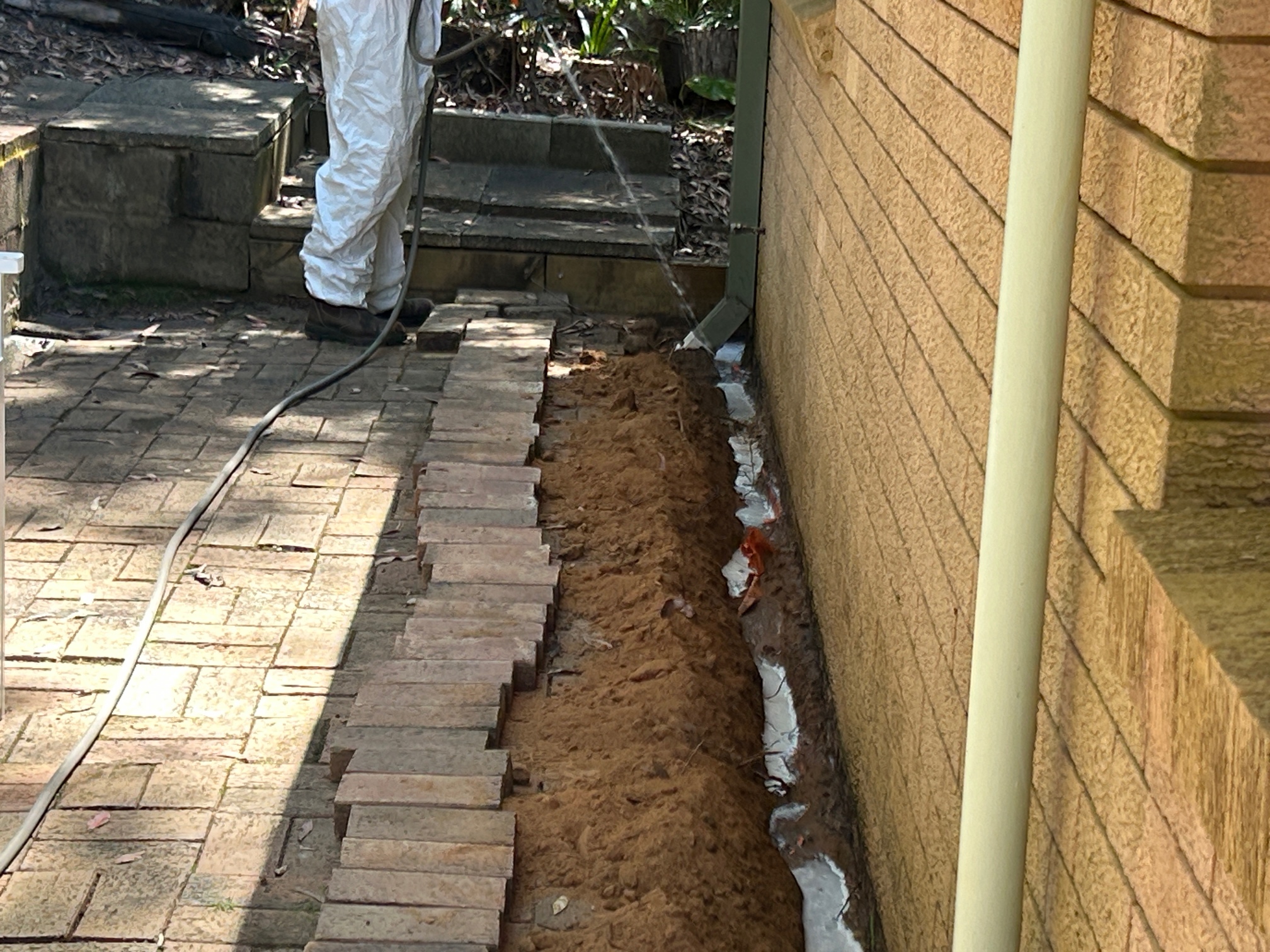
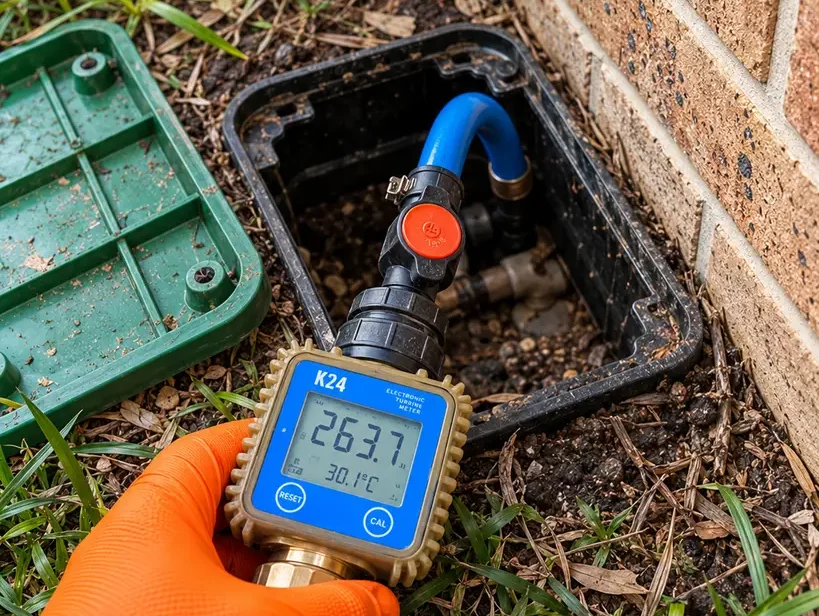
Termguard is a chemical delivery system installed during construction or as part of a termite management plan. Perforated pipes are positioned around the building perimeter, below slabs, near service penetrations, or in selected wall and garden-edge zones. These pipes connect to accessible fill points, allowing a trained technician to distribute a registered termite management product into the soil without excavating around the entire home.
The goal is not to create a visible wall that termites cannot cross. The treatment creates a managed chemical zone in the soil. When termites travel through a correctly treated area, the product is designed to affect them before they can establish concealed access to the timber in your home.
That distinction matters. Reticulation is a long-term protection system, not a once-and-done treatment. Chemicals break down over time, soil conditions vary, landscaping changes, and building works can disturb protected zones. Your system needs professional assessment before each refill so the treatment plan reflects the property as it stands now.
When Does a Campbelltown Termguard Refill Become Due?
Your paperwork is the first place to look. The installation certificate, termite management proposal, warranty conditions, and previous service reports should identify the original product and recommended replenishment timing. Many chemical barriers require review and possible replenishment after several years, but there is no single refill date that suits every property.
The right interval depends on the active ingredient used, soil type, drainage, exposure to irrigation, construction design, and whether the system has been altered or damaged. A home with heavy garden watering against the slab edge may need closer attention than a property with clear perimeter access and well-managed drainage.
| Situation | Why It Matters | Recommended Response |
|---|---|---|
| Scheduled refill date is approaching | The original chemical barrier may be losing effective life. | Arrange an inspection and barrier assessment before the due date passes. |
| New deck, paving, garden bed, or extension | Access points or treated soil can be covered, cut, or disturbed. | Have the system checked and the altered zone protected. |
| Broken, buried, or missing fill points | A refill may not reach the intended treatment lines. | Repair or locate components before a top-up. |
| Mud tubes, damaged timber, or flying termites | There may be active termite activity, not just a maintenance need. | Book an urgent termite inspection and treatment assessment. |
Practical advice: Do not wait for visible termite damage before servicing a reticulation system. Termites work inside walls, beneath floors, and behind finishes, where damage can progress for months without obvious warning.
Refill, Top-Up, or Repair: What Does Your System Need?
Homeowners often use refill and top-up to mean the same thing. In practical terms, both refer to replenishing the chemical barrier through installed reticulation lines. However, the service should begin with more than connecting a hose to a fill point.
A proper visit identifies the system brand, checks accessible emitter points and pipe condition, assesses whether the treated zone is still appropriate, and looks for factors that can compromise termite protection. Termite Help services Termguard as well as TermStop, Altis, TermX, Camilleri, Cavtech, and Reterm systems, so the work can be matched to the design already installed at your home.
Sometimes the answer is a straightforward recharge. Other times, the technician may find blocked lines, damaged caps, inaccessible ports, poor drainage, slab-edge bridging, or landscaping that has concealed vital inspection zones. Those issues should be addressed rather than ignored. Pumping chemical into a system with unknown faults can create false confidence, and false confidence is not protection.
Why the Chemical Choice Matters
Professional termite barriers often use non-repellent chemistry. Unlike strongly repellent products that may encourage termites to avoid one spot and search for another, non-repellent treatments are designed to remain difficult for termites to detect. This supports the creation of a continuous managed zone when applied correctly.
The product, application rate, soil conditions, and refill method must all follow the product label and the property-specific termite management plan. A technician should also consider whether an active infestation requires additional measures, such as targeted treatment, baiting, or wall-cavity work. A barrier top-up is preventive maintenance. It is not automatically a cure for every active termite problem.
Warning Signs That Need an Inspection First
If you see mud shelter tubes on brickwork, piers, pipes, or timber, do not break them open and assume the problem is gone. These tunnels help subterranean termites travel in protected, humid conditions. Damaged skirting boards, hollow-sounding timber, blistering paint, tight doors or windows, and unexplained soft flooring can also warrant a professional inspection.
Flying termites inside the house are another reason to act quickly. They may be reproductive termites emerging from a mature colony, although flying ants can look similar from a distance. A trained inspection distinguishes the insects, identifies moisture and construction risks, and determines whether termite activity is current, old, or unrelated to the reticulation system.
Do not rely on a barrier alone: Annual termite inspections remain essential. Reticulation barriers reduce risk, but no system can make a property permanently termite-proof, especially after landscaping, renovations, drainage changes, or soil disturbance.
What a Professional Reticulation Barrier Top-Up Should Include
A responsible service starts with property history. Your technician should review previous reports where available, identify the system and chemical compatibility, inspect accessible components, and assess areas where termites are most likely to gain concealed entry. The refill process should be recorded clearly so you know what was done, where it was applied, and when the barrier needs its next review.
For homes with active termite concerns, the priority shifts from routine maintenance to a full treatment decision. That may involve thermal detection, moisture assessment, targeted treatment, bait stations, or localized wall-cavity protection alongside barrier work. The best outcome is a tailored program that deals with the immediate threat and restores long-term defense.
For builders and owners of newer homes, keeping accurate barrier records also supports ongoing compliance and helps preserve the intended termite management design. Before adding paving, retaining walls, decking, or garden beds, check how those changes may affect slab-edge visibility and reticulation access. Small design decisions can make future inspections either simple or unnecessarily difficult.
Protect the Home Before Termites Find the Gap
A Campbelltown reticulation barrier top-up is a measured investment in prevention, especially when compared with concealed structural damage and the costly repairs that may follow. Insurance often does not cover termite damage, which makes a working maintenance schedule even more valuable.
Whether your Termguard system is due for replenishment, its fill points need repair, or you have seen possible signs of activity, arrange an assessment before the risk grows. We stand by our results and provide clear advice on the remedy your property actually needs. Your peace of mind is our mission.
Keep your barrier accessible, keep your inspection records, and act before the next refill deadline becomes an unprotected gap around your home.