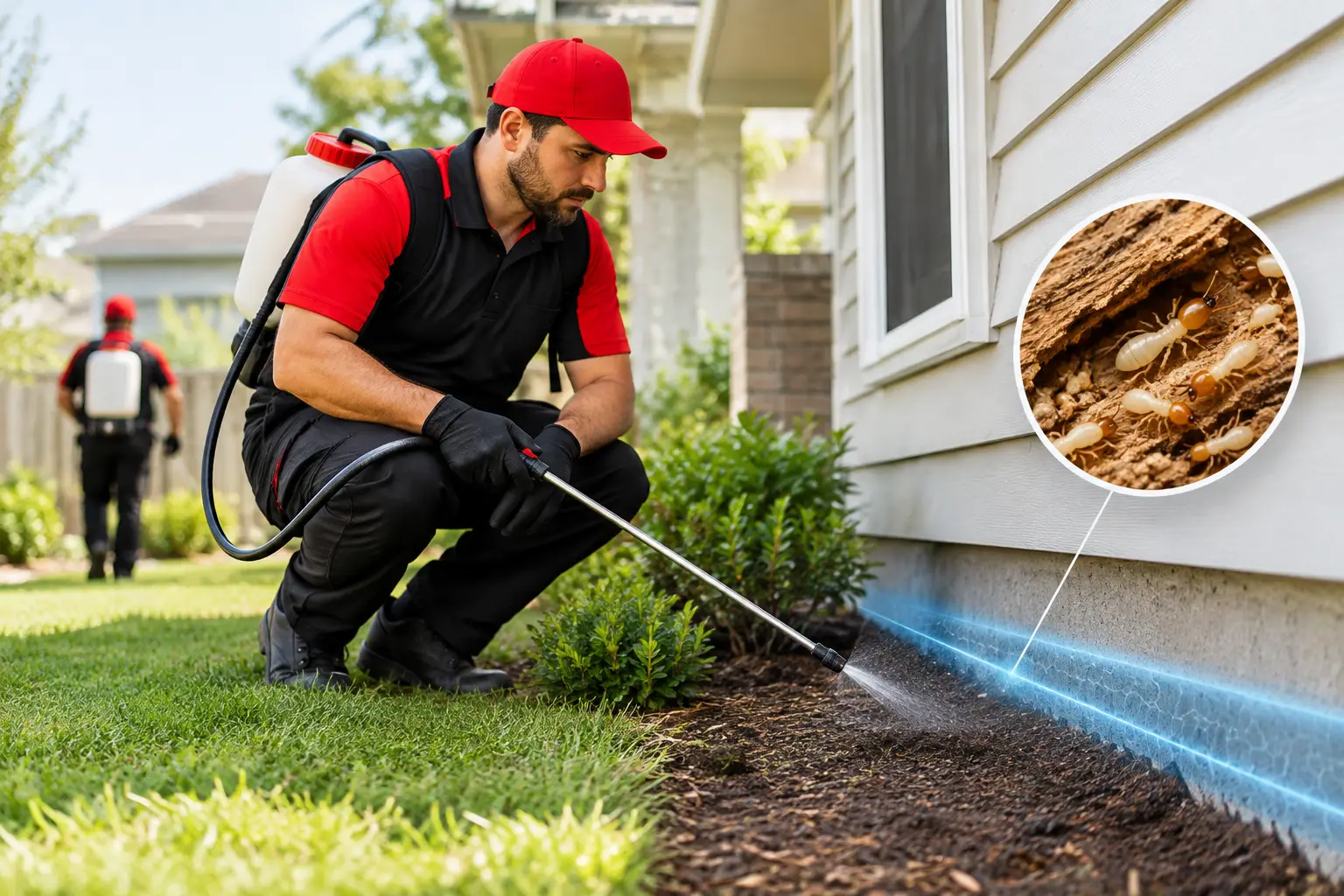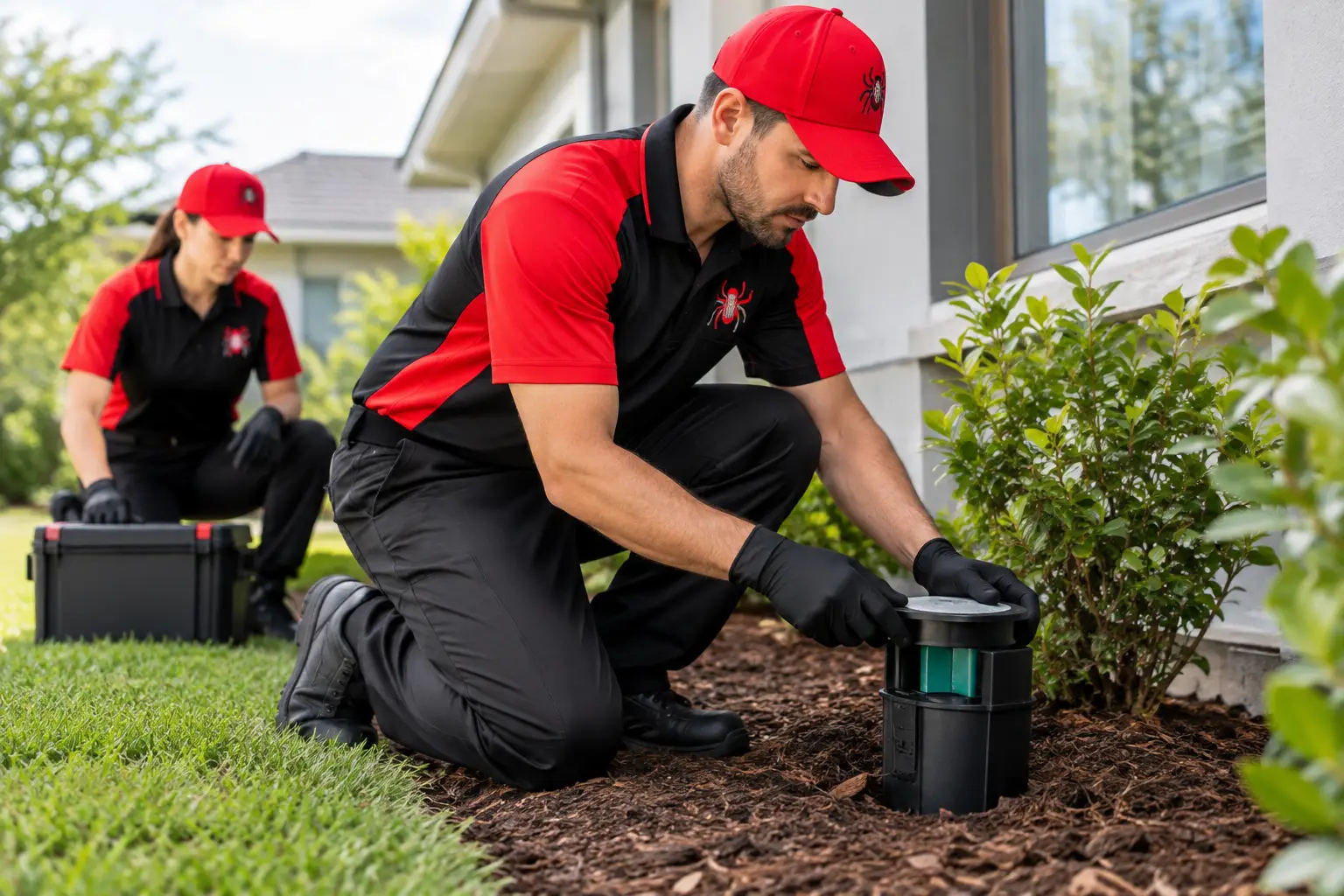

Termites rarely announce themselves before damage is underway. They travel through concealed soil entry points, wall cavities, subfloors, and roof timbers, often leaving a home looking perfectly sound from the outside. A thermal termite inspection gives your inspector another way to investigate those hidden areas by identifying unusual temperature patterns that may point to moisture, termite pathways, or conditions termites favor.
For homeowners in the Hills District, North West Sydney, and surrounding suburbs, this matters because subterranean termites can work quietly for months. A thermal camera does not replace a thorough professional inspection, but in experienced hands it can help focus attention on areas that deserve closer testing. Your biggest investment deserves more than a quick look around the skirting boards.
How a thermal termite inspection works
Thermal imaging cameras detect surface temperature differences. They do not see through walls and they do not produce a picture of live termites. Instead, they show heat patterns across a surface. A cooler or warmer patch may be caused by moisture, a plumbing leak, insulation gaps, sunlight, electrical equipment, air movement, or an active termite area.
That is why the camera must be operated as part of a full inspection process, not treated as a stand-alone verdict. An experienced termite specialist compares the thermal image with building layout, moisture readings, visual evidence, sounding tests, accessible roof and subfloor checks, and the property’s existing protection system.
When a suspicious pattern appears, the next step is confirmation. That may involve checking nearby timbers, probing damaged material where appropriate, assessing a wall cavity, or inspecting external entry points. We do not guess with termite activity. We investigate, explain what we find, and recommend the right remedy for the property.
What thermal imaging can reveal in a termite inspection
Thermal imaging is especially useful where conventional visual inspection is limited. It can help identify temperature anomalies around bathrooms, laundries, kitchens, exterior walls, window frames, roof leaks, and concealed plumbing. These are not automatic termite findings, but moisture is a major warning sign because subterranean termites need a reliable water source.
In some cases, active termites within a wall or timber void create an identifiable pattern because of the moisture and changed thermal behavior around their workings. The value is not simply the image. The value is knowing which area warrants a closer professional assessment before visible damage becomes extensive.
| Inspection method | What it helps detect | Key limitation |
|---|---|---|
| Thermal imaging | Temperature anomalies, possible moisture sources, areas requiring closer checks | Cannot confirm termites by itself |
| Visual inspection | Mud tubes, timber damage, entry points, drainage and clearance issues | Cannot assess concealed areas without access |
| Moisture testing | Elevated moisture in timbers and building materials | Moisture may have causes unrelated to termites |
| Sounding and probing | Hollowed timber and localized damage | Only practical on accessible materials |
When thermal imaging is worth adding
A thermal inspection is particularly worthwhile if you have noticed a persistent damp smell, bubbling paint, sagging trim, unexplained wall discoloration, leaking showers, or a recent termite history. It can also be a sensible addition when buying an established home, especially one with limited subfloor or roof-space visibility.
It is not always necessary for every property. A straightforward home with excellent access and no moisture indicators may receive most of its value from a detailed conventional inspection. On the other hand, a rendered home, slab-on-ground construction, renovated property, or house with concealed plumbing may benefit from the added investigation thermal imaging provides.
The decision should be based on risk, access, construction type, and evidence found on site. Honest advice matters. You need an inspection approach that matches the building, not an unnecessary add-on.
Thermal findings are a starting point, not a treatment plan
If an inspection identifies a possible termite zone, treatment should be based on confirmed activity, the species involved, building construction, and the protection already in place. Some homes need a targeted treatment to active workings. Others need a baiting program, a non-repellent soil barrier, or repairs to a damaged chemical reticulation system.
Properties with Termguard, TermStop, Altis, TermX, Camilleri, Cavtech, or Reterm systems need system-specific servicing. A reticulation system uses concealed pipes and emitter valves to distribute approved chemical protection around critical areas. If it is not recharged on schedule, has been damaged by landscaping or building work, or was never properly maintained, the barrier may not provide the protection you expect.
Physical barriers also deserve close attention. Termimesh, HomeGuard, Kordon, GreenZone, TermSeal, Smartfilm, and Trithor systems are designed to manage concealed entry paths during construction. Renovations, penetrations, altered drainage, and landscaping changes can create new risks around an otherwise well-protected home.
Why professional interpretation protects your home
Consumer thermal cameras and phone attachments can be useful for spotting a cold patch or a damp area, but they cannot replace a qualified termite assessment. A camera cannot tell you whether an anomaly is caused by a leaking pipe, missing insulation, airflow, or termites. Misreading the image can either cause unnecessary panic or create false confidence while damage continues.
A professional inspection puts thermal information in context. It considers drainage, ventilation, garden beds against the structure, timber-to-soil contact, weep holes, plumbing, additions, previous treatments, and accessible construction details. You receive clear findings and a practical plan rather than an alarming image without an answer.
Termite Help approaches thermal detection as one part of long-term property defense. Where termite activity persists after service, we stand by our results with complimentary re-treatment. Your peace of mind is our mission, and protecting your home should never rely on a one-off spray and hope.
Book before a small concern becomes structural damage
If you are seeing moisture signs, preparing to buy a home, planning renovations, or simply overdue for an inspection, act before termites gain more ground. A careful thermal termite inspection can help direct attention to concealed risks, while a full professional assessment determines what protection your property actually needs.
Guard your biggest investment with a tailored inspection and a clear plan for treatment, barrier servicing, repair, or ongoing monitoring. The right time to inspect is before you can see the damage.