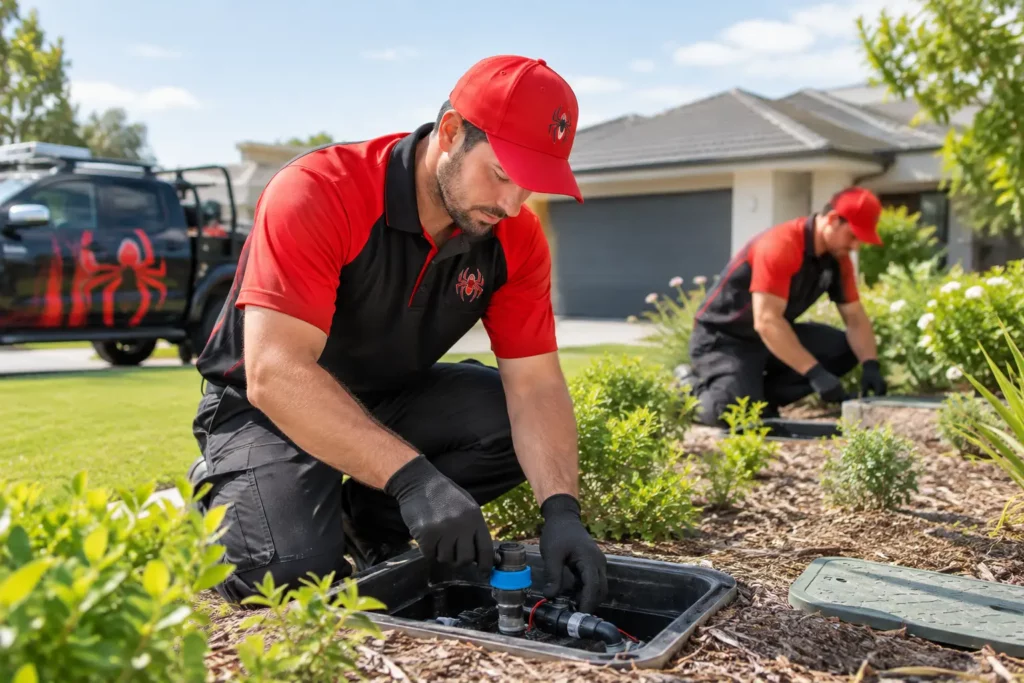
A Rouse Hill termite system refill / Rouse Hill reticulation maintenance visit is not a routine spray around the yard. It is the service that restores the chemical barrier installed beneath, beside, or around your home – before termites find an untreated path through the soil. For Hills District homeowners, that barrier can be one of the strongest defenses protecting a major financial investment.
Reticulation systems are designed to be replenished. The pipes may remain in place for the life of the building, but the termiticide within the treated zone does not last forever. Leaving the system unserviced can create a false sense of security: the access points are still visible, yet the soil barrier may no longer provide the protection it was designed to deliver.
How a termite reticulation system protects your home
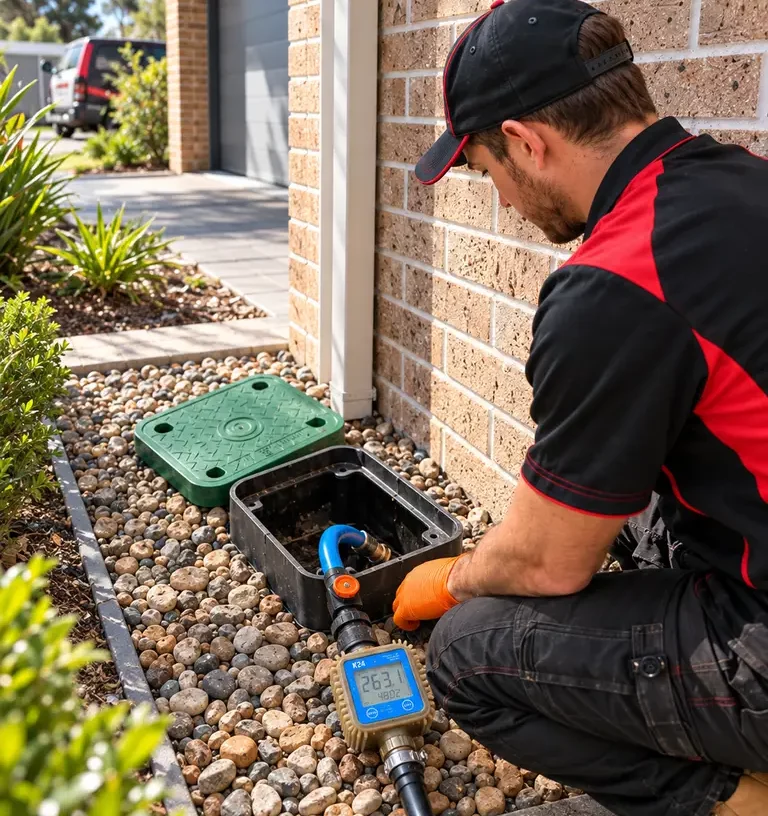
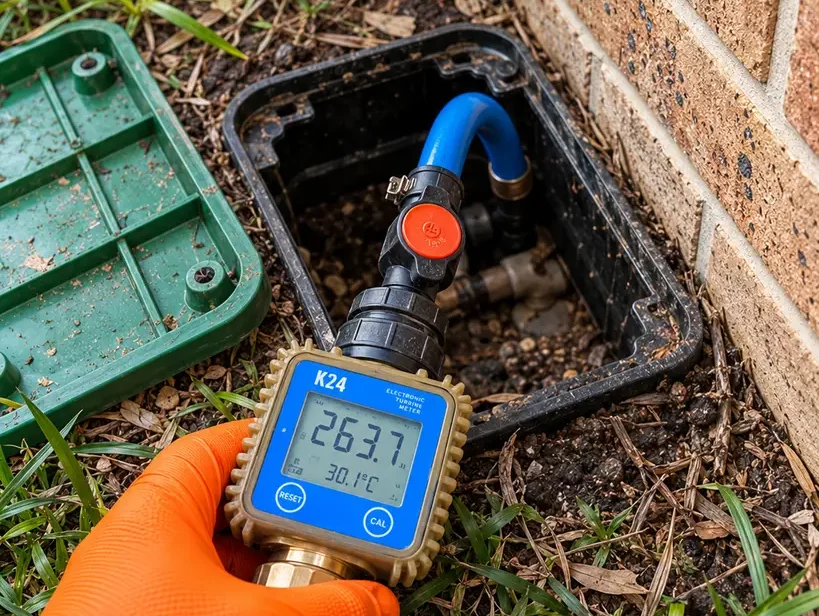
A chemical reticulation system is a network of durable pipes installed around the perimeter of a building, under slabs, or in selected wall-cavity and penetration areas. During a refill, a licensed technician introduces a registered termiticide through designated filling points. The solution exits through precisely spaced emitter valves and distributes through the adjacent soil.
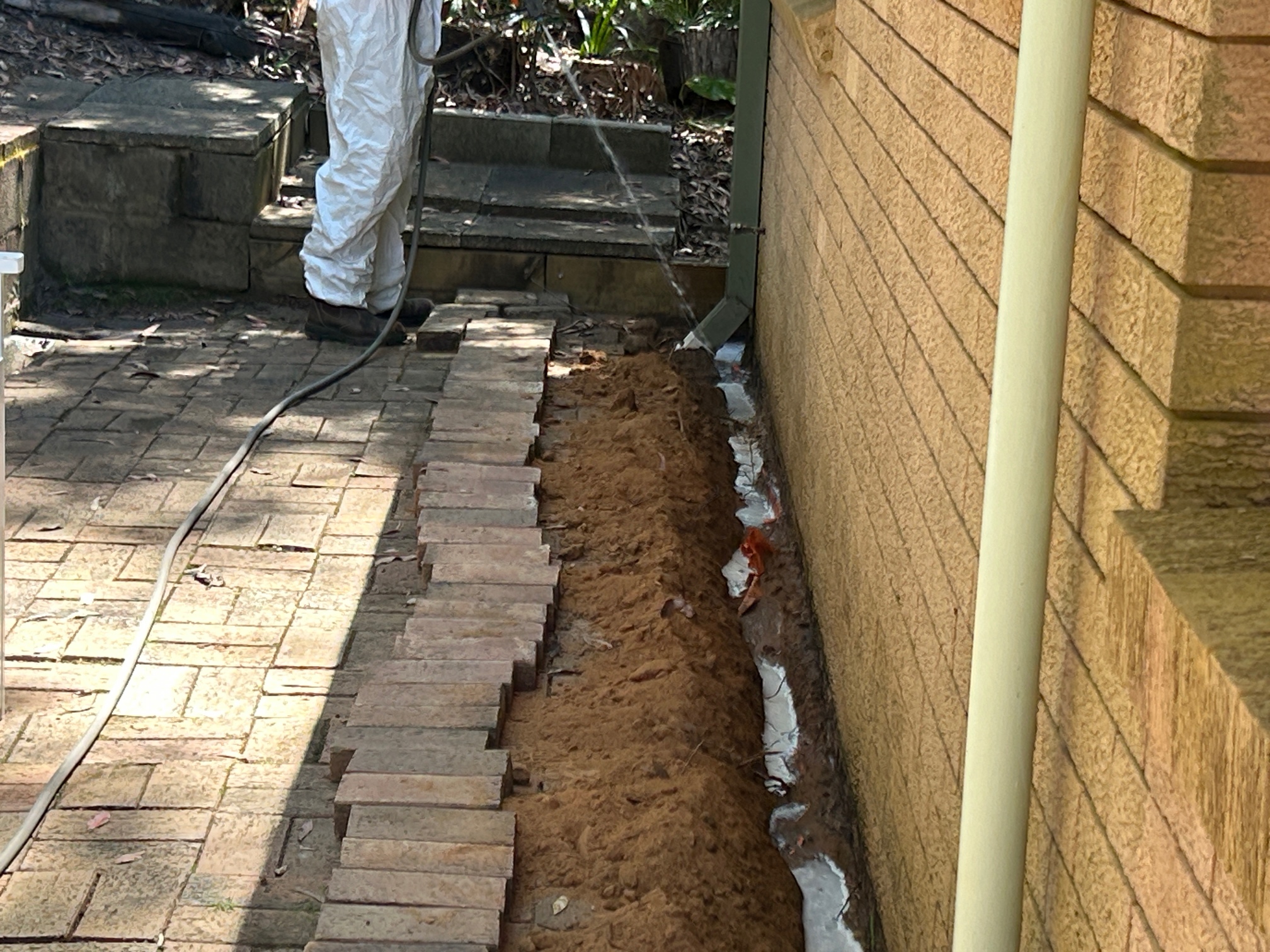
The goal is not to coat every surface of your home. It is to establish a continuous treated zone where subterranean termites are most likely to travel. Modern non-repellent products are often preferred because termites cannot readily detect and avoid the treatment. As they forage through treated soil, they are affected and may transfer the active ingredient through the colony.
Systems installed in Rouse Hill homes can include TermStop, Termguard, Altis, TermX, Camilleri, Cavtech, and Reterm. The brand matters because filling points, flow rates, layouts, and service procedures differ. A system-specific inspection prevents guesswork and helps confirm that the barrier is being replenished as intended.
When Rouse Hill reticulation maintenance is due
The correct refill interval depends on the active ingredient used, the system design, the installation record, environmental conditions, and the label directions for that product. Many barriers require replenishment on a multi-year cycle, but a calendar reminder alone is not a maintenance plan.
An annual termite inspection remains essential. Reticulation protects designated treatment zones, not every possible route into a property. Termites can bridge a barrier through concealed construction gaps, build mud leads over treated areas, enter through an untreated alteration, or exploit moisture around a plumbing leak. A technician should assess the home, not just refill a pipe.
You should arrange a professional assessment sooner if you have completed an extension, installed a deck or retaining wall, changed drainage, added garden beds against external walls, or noticed moisture problems. These changes can affect termite access and may make original service points inaccessible.
Signs your system needs attention
A visible fill point is not proof that the system remains operational. Call for an assessment if caps are missing, broken, covered by concrete or soil, or if you cannot locate the refill points shown on your original paperwork. You should also act promptly if there are mud tubes, hollow-sounding timber, bubbling paint, tight doors or windows, unexplained dampness, or flying termites indoors.
These signs do not automatically mean termites have caused structural damage, but they are not issues to watch and wait on. Termites work out of sight. By the time surface damage is obvious, the colony may have been feeding for months.
What happens during a professional refill and inspection
A proper service begins with records and site conditions. The technician identifies the system type, checks the original treatment layout where available, locates accessible injection points, and looks for building changes that affect coverage. They also inspect accessible areas for conditions conducive to termite activity, including poor drainage, timber-to-soil contact, leaks, and concealed entry risks.
The refill itself is measured and documented. Pressure, volume, and product selection must suit the installed system and the manufacturer directions. Simply pumping chemical into one point without checking the layout can result in uneven distribution or missed sections.
After treatment, you should receive clear service information showing what was inspected, what product was used, where the system was replenished, any limitations found, and the recommended next service date. TERMITE HELP approaches this work as ongoing property protection, not a one-off chemical visit. If active termites persist following service, we stand by our results with complimentary re-treatment.
| Service approach | Best suited to | Key consideration |
|---|---|---|
| Reticulation refill | Homes with an existing, accessible chemical pipe system | Coverage depends on system condition and accessible fill points |
| Perimeter soil treatment | Homes without a reticulation network or with altered landscaping | May require trenching, drilling, or targeted treatment around obstructions |
| Baiting and monitoring | Sites where liquid treatment is limited or colony elimination is a priority | Requires regular monitoring and timely station servicing |
| Localized remedial treatment | Confirmed activity in a wall cavity, subfloor, or structural timber | Must be paired with a plan to address the entry route and future risk |
Repairs matter as much as refills
A reticulation system cannot be maintained properly if landscaping, renovation work, or accidental damage has compromised it. Crushed pipes, broken caps, blocked emitters, and inaccessible outlets are practical problems that require a repair strategy, not a rushed top-up.
Sometimes repair is straightforward. A technician may replace a cap, expose a buried service point, or repair a damaged section. In other cases, new treatment zones, a targeted soil barrier, baiting stations, or wall-cavity protection may be the more reliable solution. The right answer depends on whether continuous coverage can still be achieved and whether the building has changed since the original installation.
Why an annual termite inspection still comes first
A reticulation refill is preventative work. A termite inspection answers a different and urgent question: is there activity already present? Combining both services gives you a clearer picture of the property and helps avoid treating a barrier while missing a colony already inside a wall, subfloor, or concealed structural area.
For buyers in Rouse Hill, inspection records and barrier documentation can also reveal useful questions before settlement. Is a system installed? Has it been refilled on schedule? Are service points accessible? Have extensions or landscaping reduced protection? These are practical issues worth understanding before you take responsibility for the home.
Your peace of mind is our mission, but it should be based on evidence – a thorough inspection, a working system, documented treatment, and a maintenance plan that fits your property. If your refill date is uncertain or your system has been disturbed, arrange a professional assessment now rather than giving termites more time behind the walls.