Termites do not need a dramatic crack or a rotting stump to reach a house. They can travel through a gap around a pipe, a concealed edge of a slab, or soil beside an extension, then feed quietly inside timber for months. A properly designed termite barrier creates a defended zone around the places termites use to enter, helping guard your biggest investment before damage becomes visible.
For homes across Sydney, the Hills District, and surrounding growth areas, prevention is not a one-time spray. It is an active protection plan built around the construction of your home, the soil, drainage, landscaping, and any existing termite system. Your peace of mind is our mission, and that starts with selecting a barrier that can be inspected, maintained, and renewed when needed.
What a termite barrier actually does
A termite barrier does not make a property permanently termite-proof. No system can promise that. Its job is to deter, eliminate, or expose concealed termite entry so action can be taken before the colony causes significant structural damage.
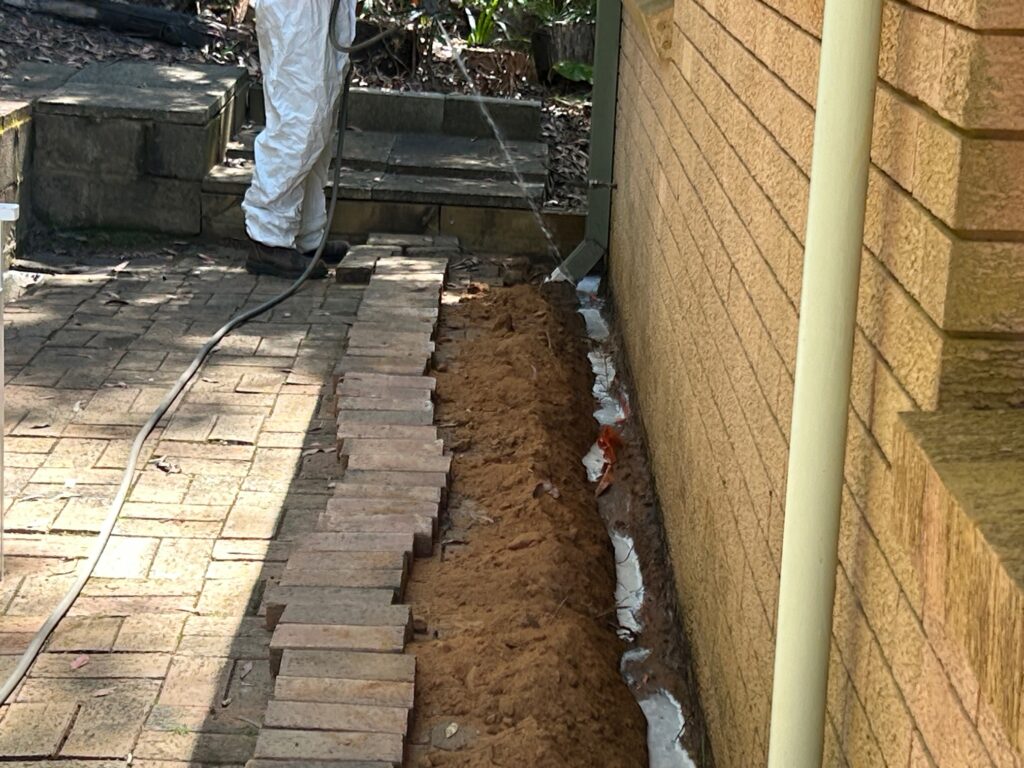
There are two main approaches. Chemical barriers use a professional termiticide placed in the soil, often through a reticulation system, to establish a treated zone around the structure. Physical barriers use durable materials installed during construction to block hidden access or force termites into visible areas where their mud tubes can be found during inspection.
The right approach depends on whether the property is being built, already occupied, on a slab, elevated, renovated, or fitted with a previous system. A site-specific termite inspection is the starting point because it identifies risks that a generic treatment cannot account for.
Chemical vs. physical termite barrier systems
Both system types can be highly effective when correctly installed and maintained. The key difference is timing. Physical barriers are usually incorporated during construction. Chemical systems can be installed at construction or applied to established homes, then replenished over time where the product and system design allow it.
| Barrier type | Best fit | Ongoing requirement |
|---|---|---|
| Chemical soil treatment | Existing homes, additions, localized risk areas | Scheduled inspections and retreatment based on product life and conditions |
| Chemical reticulation | Homes with installed perimeter pipework or new construction | Pressure testing, repairs, and recharging through access points |
| Physical barrier | New builds, slab penetrations, wall cavities, and construction details | Regular inspection to confirm no concealed bridging or building changes |
| Baiting system | Properties where soil treatment access is restricted or activity is present | Frequent monitoring and bait replacement by a technician |
Why reticulation is valuable for established homes
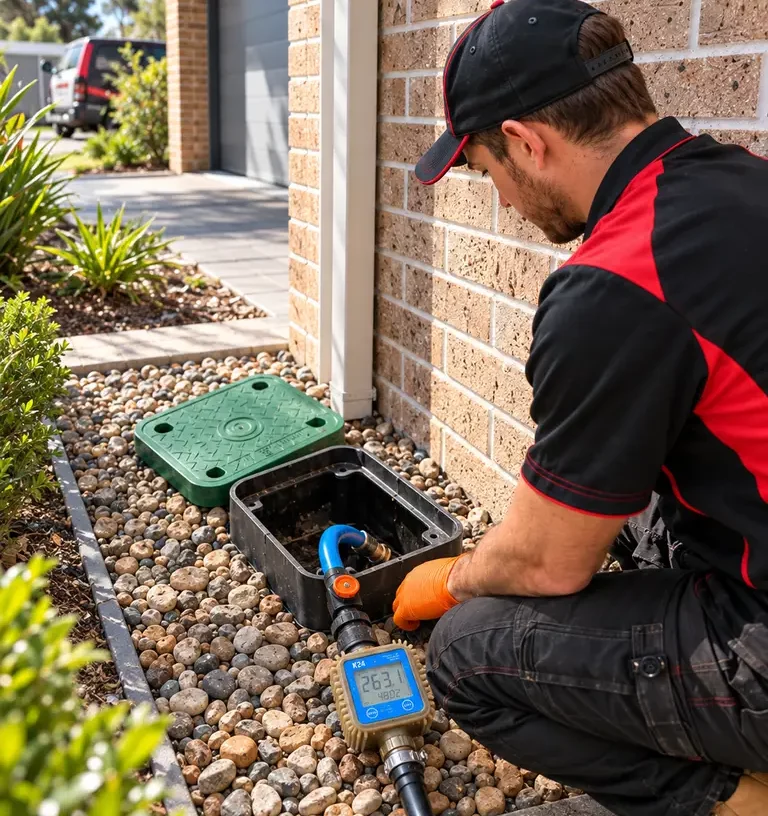
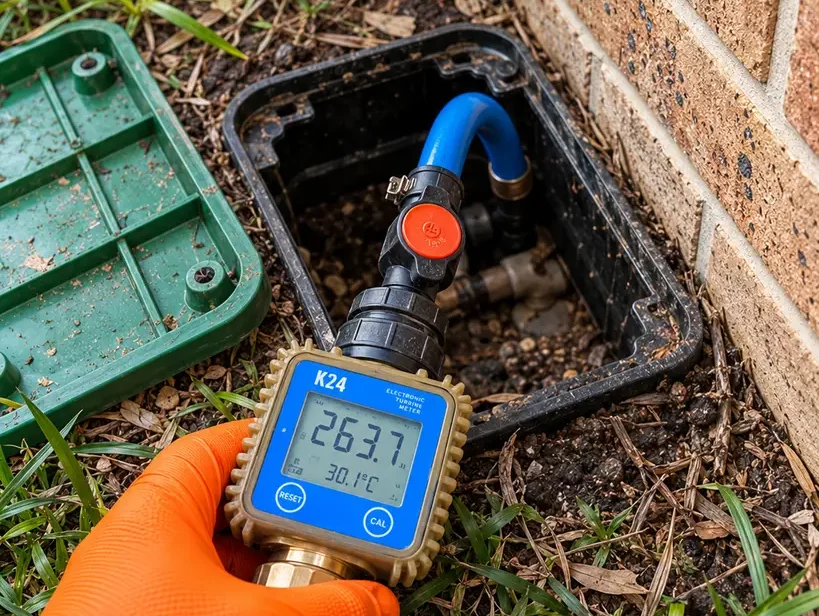
A reticulation system is a network of underground pipes that distributes termiticide around the perimeter or beneath designated parts of a building. Access points, often called emitter valves, allow technicians to recharge the barrier with less drilling and disruption than repeated full soil applications.
Many homes already have systems such as Termguard, TermStop, Altis, TermX, Camilleri, Cavtech, or Reterm. The brand on the cap matters because components, layouts, and service procedures vary. Before recharging, a technician should identify the system, inspect accessible lines and valves, and confirm whether repairs are needed. A recharge is only useful if the product reaches the intended treatment zone.
Learn more about maintaining an installed termite reticulation system before assuming the barrier is still active. Damaged pipework, blocked emitters, landscaping works, and building alterations can all compromise coverage.
When does a termite barrier need service?
Service timing is not simply a date on a sticker. It depends on the treatment product, system type, site conditions, and the manufacturer or treatment label requirements. Heavy rain, drainage defects, excavation, new paving, plumbing works, and garden changes can affect the barrier zone. A new deck or retaining wall can also create a bridge that termites use to bypass protected areas.
Annual professional inspections remain essential, even when a chemical or physical barrier is in place. An inspection checks for termite activity, moisture conditions, drainage issues, concealed entry points, and changes that reduce visibility around the building. Thermal detection and moisture assessment can add useful information, but they do not replace a hands-on inspection of accessible areas.
Termite barriers for new homes and renovations
Pre-construction protection is the best opportunity to integrate termite defense into the building itself. Physical systems such as mesh, sheet barriers, collars, and cavity protection can be installed at slab penetrations, perimeter details, wall junctions, and other vulnerable points before finishes conceal them. Chemical soil treatments or reticulation can then provide an additional managed layer where appropriate.
For builders, the goal is not simply ticking off a requirement. It is coordinating barrier installation with excavation, plumbing penetrations, slab pours, masonry, and waterproofing so the system is continuous and documented. A misplaced penetration collar or damaged membrane may become a hidden weak point after handover.
Our pre-construction termite protection approach is designed around these construction stages, with system-specific installation and compliance-focused documentation. It also gives owners a clearer path for future inspections and barrier servicing.
Why a professional assessment protects more than timber
Termite work should never be based solely on a quick walk around the yard or a request to “top up the system.” A professional assessment considers the house design, prior treatments, accessible slab edges, drainage, moisture sources, vegetation, subfloor conditions, and evidence of active termites. That is how a durable plan is built.
If live termites are found, the immediate priority is controlling the colony without driving it deeper into the structure. The long-term priority is correcting the entry conditions and restoring the protective barrier. We stand by our results with complimentary re-treatment when termite activity persists after service, because protection must be accountable, not just applied.
The safest time to arrange a termite barrier assessment is before you see obvious damage. A clear inspection, the right system service, and a barrier that fits the property can keep a small risk from becoming an expensive repair.