A Rouse Hill Termite Guard System Refill is not a routine spray around the house. It is a targeted recharge of the chemical barrier designed to protect the soil beneath and around your home – the same ground subterranean termites travel through before they reach timber, wall cavities, and concealed structural areas.
For homes in Rouse Hill, Kellyville, Beaumont Hills, and the wider Hills District, a working reticulation system can be one of the strongest long-term defenses against termites. But only when the system is accessible, intact, correctly dosed, and refilled at the right interval. Miss that window, and your property may be relying on an expired or incomplete barrier without any obvious warning.
What a Termite Guard system refill actually does
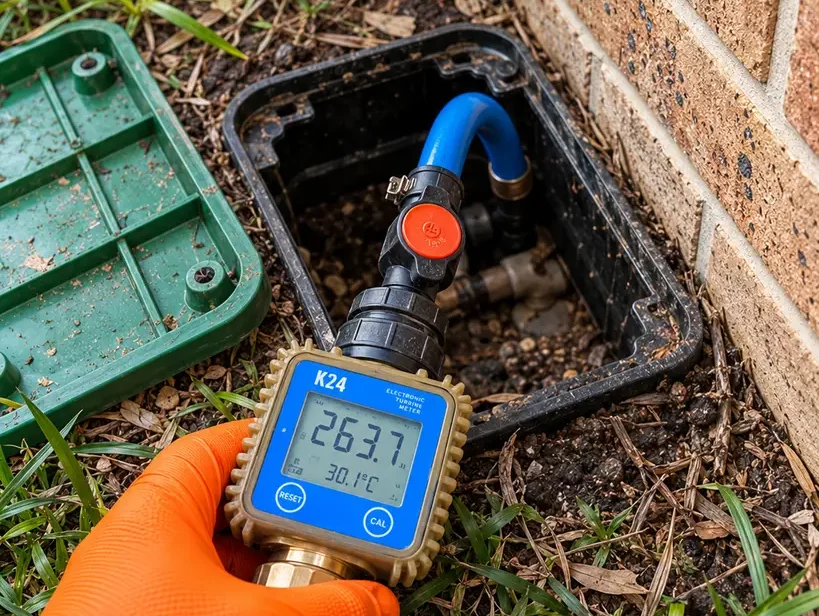
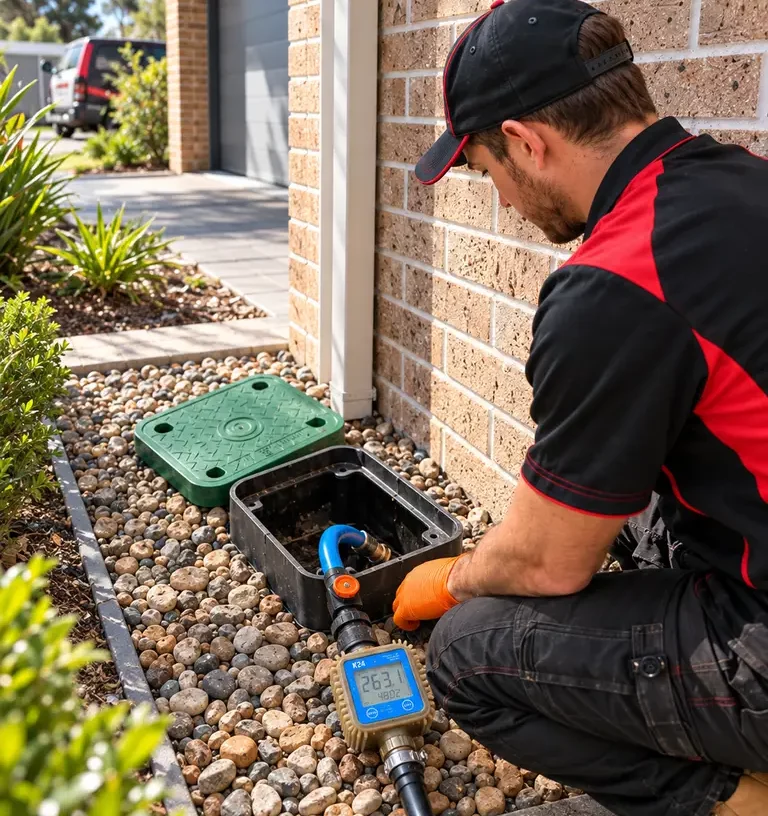
Termite Guard is often used as a general description for a replenishable chemical termite system. The installed setup may be a Termguard, TermStop, Altis, TermX, Reterm, Camilleri, Cavtech, or another reticulation system. While layouts differ, the principle is similar: a network of pipes distributes a registered termiticide into designated soil zones through refill points or emitter valves.
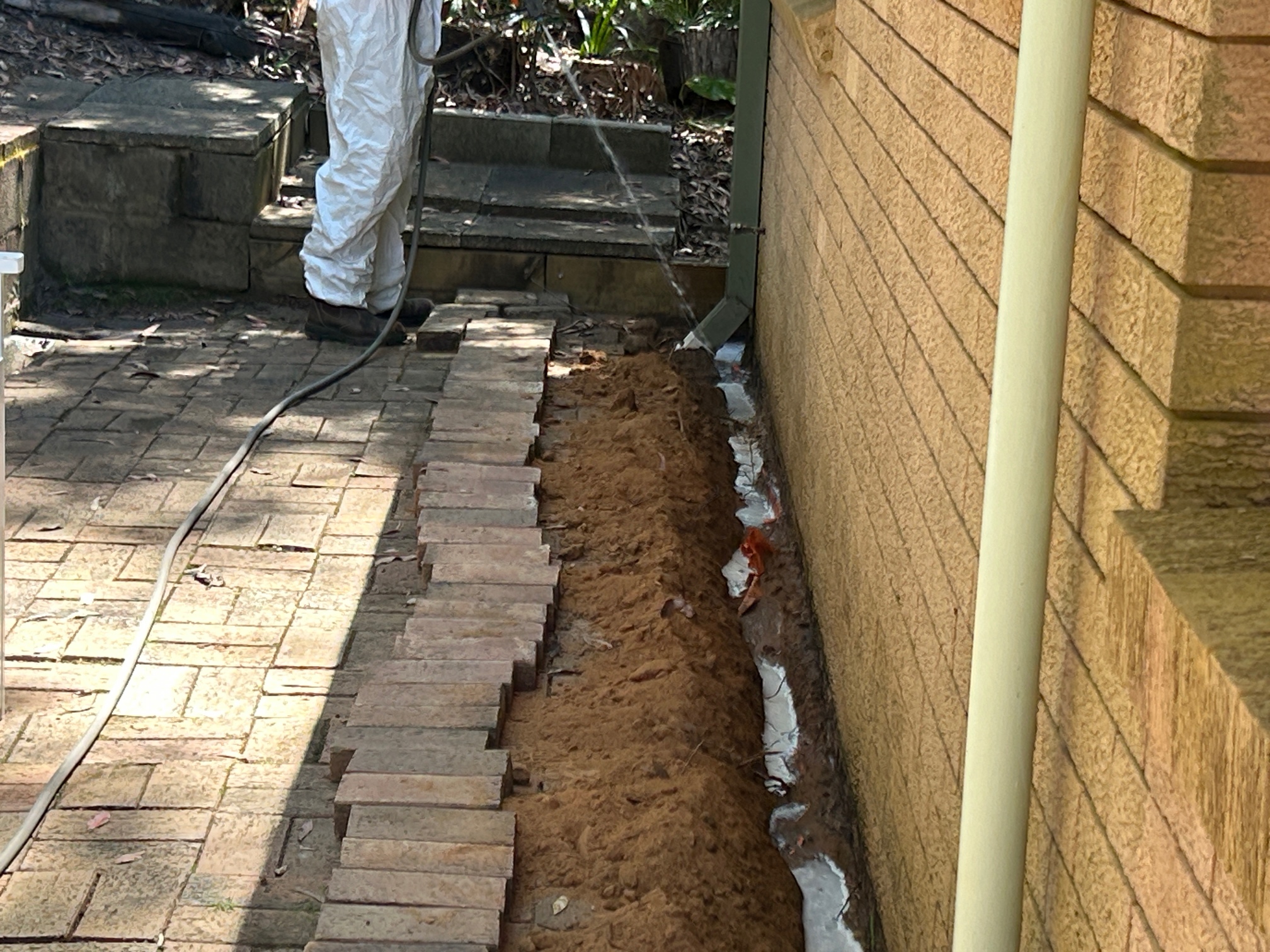
A professional refill introduces the correct volume and concentration of chemical through that network, creating a continuous treated zone where termites are most likely to enter. Modern non-repellent products are especially valuable because termites cannot easily detect and avoid them. They travel through treated soil, transfer exposure through the colony, and are stopped before they can establish a concealed pathway into the building.
This is not a substitute for regular inspections. A chemical barrier reduces the risk of entry, but termites may exploit untreated areas created by drainage work, landscaping, additions, damaged pipework, or inaccessible construction details. Our termite inspections look for both active termite evidence and the weaknesses that can compromise an otherwise good protection system.
When does a Rouse Hill Termite Guard System Refill need service?
The correct refill interval depends on the chemical used, the original installation design, soil conditions, and the product label. Many systems are designed for top-ups every three to five years, but that is not a blanket rule. A system installed with one product may have a different service life from a system recharged later with another approved product.
Construction or landscaping changes can also bring the service date forward. Excavating beside a slab, replacing drainage, installing a pool, building a deck, adding a garden edge, or cutting through treated ground can leave a gap in the barrier. In those cases, waiting for the next scheduled refill is a gamble your biggest investment does not need.
Signs your barrier needs assessment now
A missing refill cap, cracked valve box, leaking emitter, blocked access point, or an incomplete service history all justify a system check. So do mud tubes on brickwork, hollow-sounding timber, bubbling paint, tight doors or windows, and unexplained soft spots in flooring. These can be termite signs, though they can also have other causes. Either way, they need a prompt professional assessment rather than guesswork.
If you have just purchased a home and the seller mentions a termite system, ask for the installation documents and previous refill records. Knowing that pipes exist is not the same as knowing the entire system remains functional and chemically current.
Refill, spot treatment, or a new barrier?
The right response depends on what the site inspection finds. A sound reticulation system with accessible points and no visible damage is usually suited to a controlled refill. If one section has been disturbed, a localized soil treatment and repair may restore the protected zone. If the pipework is blocked, crushed, severely altered, or never covered critical areas, a new barrier strategy may be safer than repeatedly treating around a failed system.
| Protection option | Best fit | Key consideration |
|---|---|---|
| System refill | Existing pipes are intact and serviceable | Must match the system layout and approved treatment program |
| Localized repair and treatment | A defined area was disturbed or missed | The surrounding barrier still needs verification |
| New chemical or physical barrier | Major renovations, failed pipes, or new construction | Design must suit slab edges, penetrations, and wall cavities |
| Baiting program | Sites needing ongoing colony monitoring | Requires scheduled monitoring and timely station servicing |
Why system-specific servicing matters
A refill is only as reliable as the technician’s understanding of the installed system. Pipe routes, injection points, flow rates, zone lengths, and access locations vary. Simply pumping chemical into a visible port without confirming the system condition can leave untreated sections and give homeowners a false sense of security.
Termite Help services multiple reticulation brands and investigates the details before recommending a top-up. We check accessible points, identify damage or blockages, review the previous treatment where records are available, and explain whether a refill, repair, or broader treatment program is the sensible path. Your peace of mind is our mission, not a quick chemical sale.
For homes with active termites, a barrier refill alone may not be enough. Active termites in framing, skirting, or a wall cavity need direct management first, followed by protection that addresses the entry route. Our termite treatment approach can combine targeted treatment, soil protection, and follow-up monitoring. If activity persists after our service, we return and re-treat at no charge because we stand by our results.
Prepare your property for a better refill result
Before the appointment, clear stored materials away from exterior walls and let us know about recent building work, leaks, drainage repairs, or landscaping changes. Do not cover suspected mud leads or disturb damaged timber. Those small clues help establish where termites may be traveling and whether the chemical barrier has been interrupted.
Annual inspections remain essential even after a successful refill. Termites are secretive, and many attacks occur without obvious external damage. A scheduled inspection provides the independent check that turns a chemical system from a one-time service into a durable property-protection plan.
If your Rouse Hill home has an overdue system, uncertain service records, or signs of termite activity, act before hidden damage becomes an expensive structural repair. Arrange a professional assessment, get clear answers about the condition of your barrier, and put a defensible plan back around the home you have worked hard to protect.