A termite colony can be feeding beneath a home long before there is visible damage indoors. That is why termite baiting systems are not a quick spray or a set-and-forget product. They are a targeted protection program designed to find foraging termites, transfer control material through the colony, and keep watch around the property after activity has stopped.
For homeowners in Sydney, the Hills District, and surrounding areas, baiting can be a powerful option when conventional soil treatment is impractical, when termites are active near the home, or when long-term monitoring is the right defensive strategy. The result depends on correct station placement, the right bait material, consistent inspections, and fast action when termites begin feeding.
What are termite baiting systems?
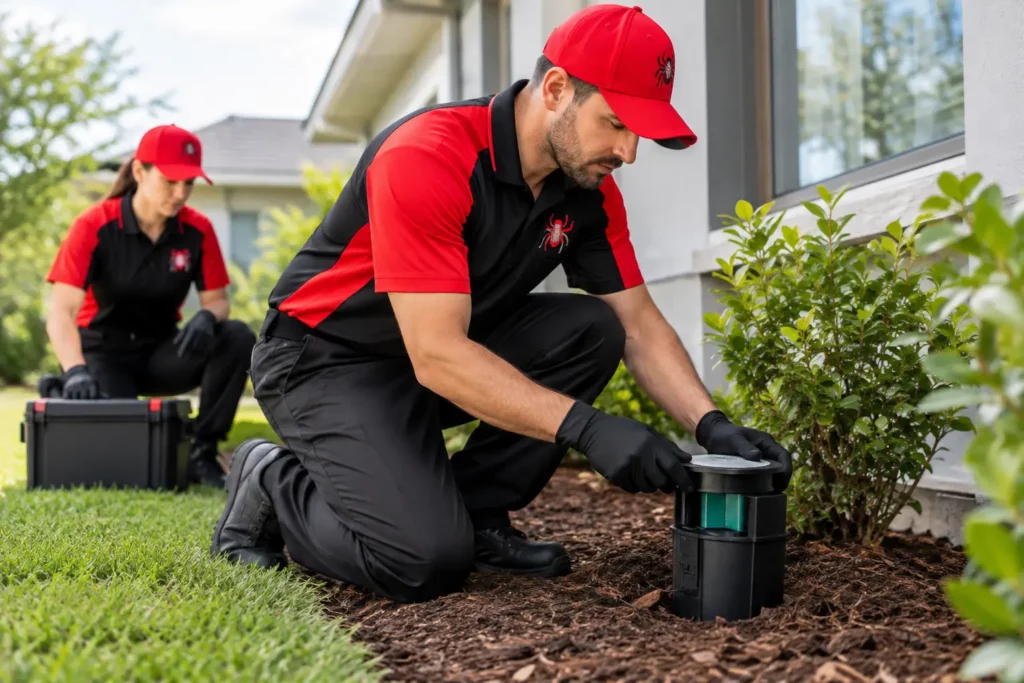
A baiting system uses discreet stations installed in the ground around a building, or sometimes in an active termite area inside the structure. The stations contain timber interceptors or monitoring material that termites may discover while they are foraging through the soil.
When termite activity is found, the monitoring material is replaced or supplemented with a bait that contains a slow-acting growth regulator. Worker termites feed on the bait and share it with other termites in the colony. Because the product does not kill immediately, termites can continue their normal behavior and distribute it through the population.
This matters because subterranean termites do not live in the damaged timber they are eating. Their colony may be some distance from the house, with multiple feeding points and a large worker population. The objective is not simply to kill the termites visible at one location. It is to disrupt the colony responsible for the attack.
How a termite baiting system works
Bait stations are normally positioned around the external perimeter of a property, in locations that give termites a realistic opportunity to encounter them. Placement is guided by landscaping, moisture, construction type, accessible soil, previous termite activity, and known risk areas such as garden beds against walls or timber structures close to the home.
A technician inspects stations at planned intervals. If there is no activity, the system remains in monitoring mode. If termites have entered a station, the technician carefully introduces bait while protecting the feeding activity from unnecessary disturbance. Follow-up visits are then essential to confirm consumption, refresh bait where needed, and assess whether the colony is declining.
Why the bait does not work overnight
Fast-acting products can cause termites to retreat from a disturbed area and establish another concealed route. Bait works differently. Its slow action gives workers time to feed and share material within the colony before the effects become apparent.
That means homeowners should be cautious about anyone promising immediate colony elimination from a single bait visit. A professional baiting program requires patience, accurate records, and scheduled monitoring. The time frame varies with the species, colony size, weather, station discovery, competing food sources, and the amount of bait consumed.
Termite baiting systems versus soil barriers
Baiting and chemical soil barriers both have a place in termite defense, but they work in different ways. A non-repellent soil treatment creates a treated zone that termites may pass through as they travel between the soil and the building. A baiting system monitors for termite foraging and works toward colony suppression after termites find a station.
The strongest recommendation is not always one or the other. Some homes need a baiting program because a continuous soil barrier cannot be installed due to drainage, paving, construction details, sensitive areas, or access limitations. Other homes benefit from a maintained chemical barrier, often delivered through an existing reticulation system. In higher-risk situations, a layered approach may be appropriate.
| Protection option | How it works | Best suited to |
|---|---|---|
| Baiting system | Monitors termite foraging and introduces bait after activity is detected. | Homes needing ongoing monitoring or where soil treatment is limited. |
| Chemical soil barrier | Creates a treated zone around or beneath vulnerable building areas. | Properties with accessible perimeter soil or installed reticulation. |
| Physical barrier | Blocks concealed termite entry at critical construction points. | New builds and major construction projects. |
When baiting is the right choice
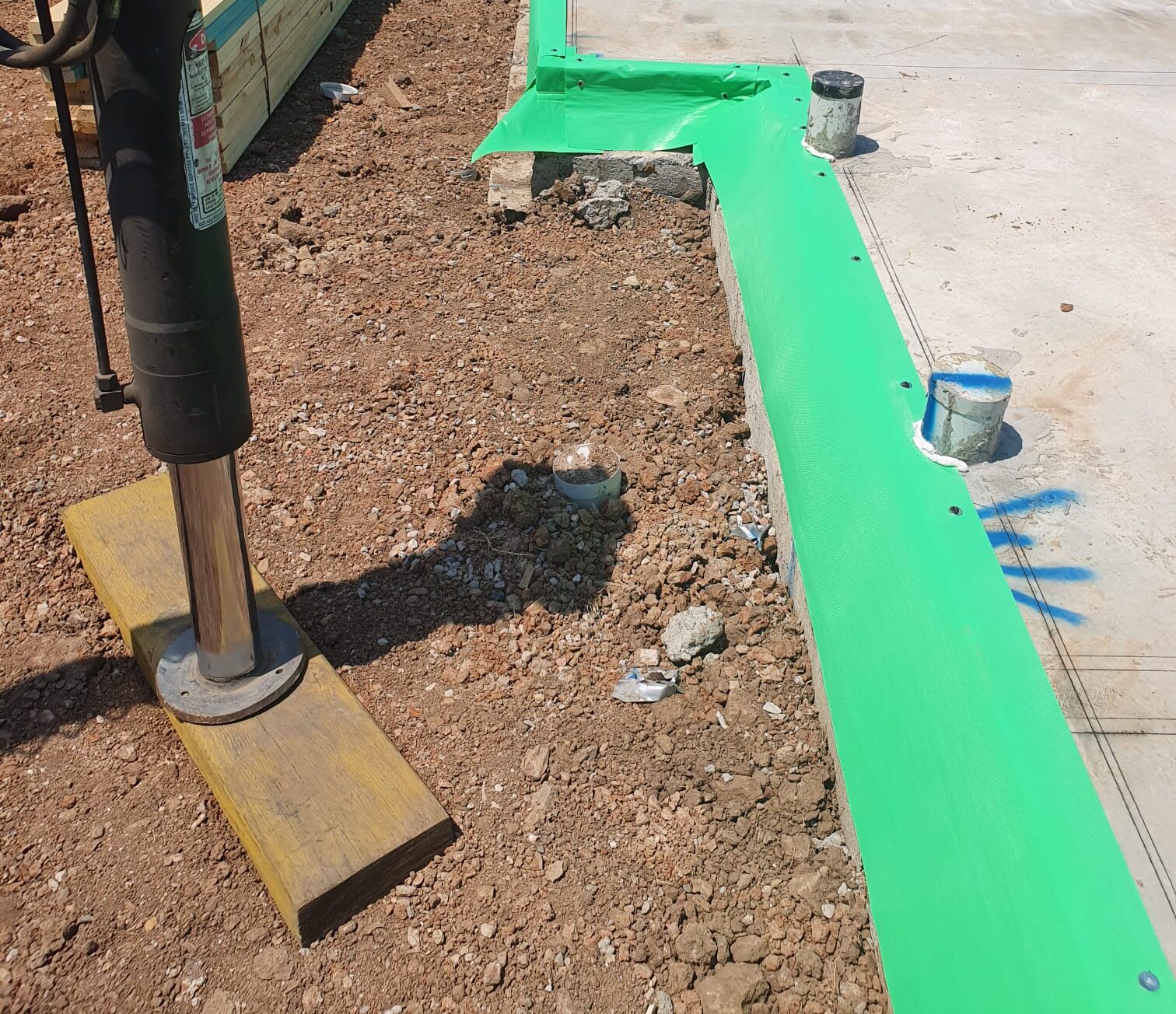
Baiting is often worth considering where there is active termite pressure but no simple way to establish a continuous chemical barrier. Homes with extensive concrete, tight side access, drainage systems, pavers, sensitive garden areas, or construction features that limit treatment access can be good candidates.
It can also suit homeowners who want a monitored defense program rather than relying solely on a past treatment. Stations provide a structured way to check for foraging pressure around the property. They do not make a home termite-proof, and they do not replace a thorough inspection, but they can provide an important early-warning and response tool.
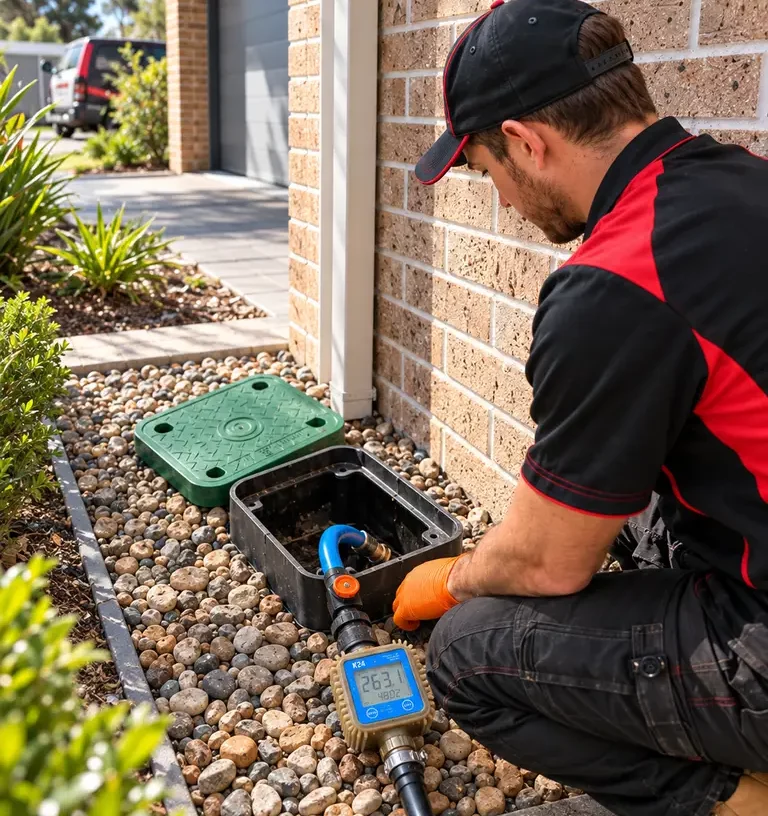
For a house with an existing reticulation system, baiting may be used alongside scheduled recharge of the installed chemical barrier. The right plan depends on the system brand, the condition of emitter lines and valves, the age of previous treatments, construction changes, moisture conditions, and current termite evidence.
What monitoring and servicing involve
The value of a baiting program is in the service behind it. Stations need to be checked on a schedule appropriate to the property and the level of termite risk. During an inspection, the technician looks for termite entry, feeding, moisture conditions, station damage, and factors that may be attracting termites close to the home.
If bait is being consumed, visits may become more frequent. The technician records activity, replenishes bait as required, and checks nearby parts of the building for concealed entry. Once activity has ceased, the stations remain useful as an ongoing monitoring network.
Regular building inspections are still necessary. Termites can enter through areas that are not close to a station, including concealed construction joints, service penetrations, wall cavities, and subfloor access points. Thermal detection and moisture assessment can help locate suspicious areas, but neither replaces a hands-on inspection of accessible structural zones.
Signs that need an urgent inspection
Do not wait for visible structural damage if you notice mud tubes on brickwork, piers, or pipes; hollow-sounding timber; bubbling paint; tight doors or windows; damp or damaged skirting boards; or flying termite swarmers. These signs can indicate an established issue, and insurance commonly does not cover termite damage.
Avoid breaking open mud tubes or spraying household insecticide into suspected activity. That can scatter termites and make their route harder to trace. Keep the area undisturbed and arrange a professional assessment promptly.
Why professional assessment matters
A bait station in the wrong place can sit untouched while termites feed elsewhere. A station that is not inspected properly can miss early activity. And baiting without a building inspection can leave hidden damage or alternate entry points undiscovered.
A proper assessment looks beyond the stations. It considers the house design, slab edges, weep holes, retaining walls, garden irrigation, timber-to-soil contact, drainage, accessible roof and subfloor areas, and any existing termite management system. For builders, the assessment also needs to account for protection requirements at penetrations, slab interfaces, wall cavities, and future serviceability.
TERMITE HELP takes a practical, accountable approach: identify the conditions that place the property at risk, select a protection method that fits the site, and keep monitoring after treatment. If termite activity persists following service, returning to re-treat is part of standing by the result.
Your home is too valuable for guesswork. A professionally monitored baiting program can turn hidden termite pressure into a managed, documented defense – and gives you a clear plan before damage becomes an expensive structural problem.