A new slab does not make a home safe from termites. Subterranean termites can travel through concealed soil, slab penetrations, wall cavities, and expansion joints long before a homeowner sees a mud tube or damaged timber. Pre construction termite protection puts a deliberate defense in place while the site is open, accessible, and far less costly to protect.
For builders and homeowners across Sydney’s termite-prone suburbs, this is not a box to tick at handover. It is the first layer of protection for your biggest investment. The right system must suit the building design, soil conditions, drainage plan, landscaping levels, and future service access.
What pre construction termite protection does
Pre-construction protection creates a managed barrier between termites in the soil and the concealed timber components of a building. Depending on the chosen system, that defense either blocks concealed entry, treats the soil termites must cross, or combines both approaches.
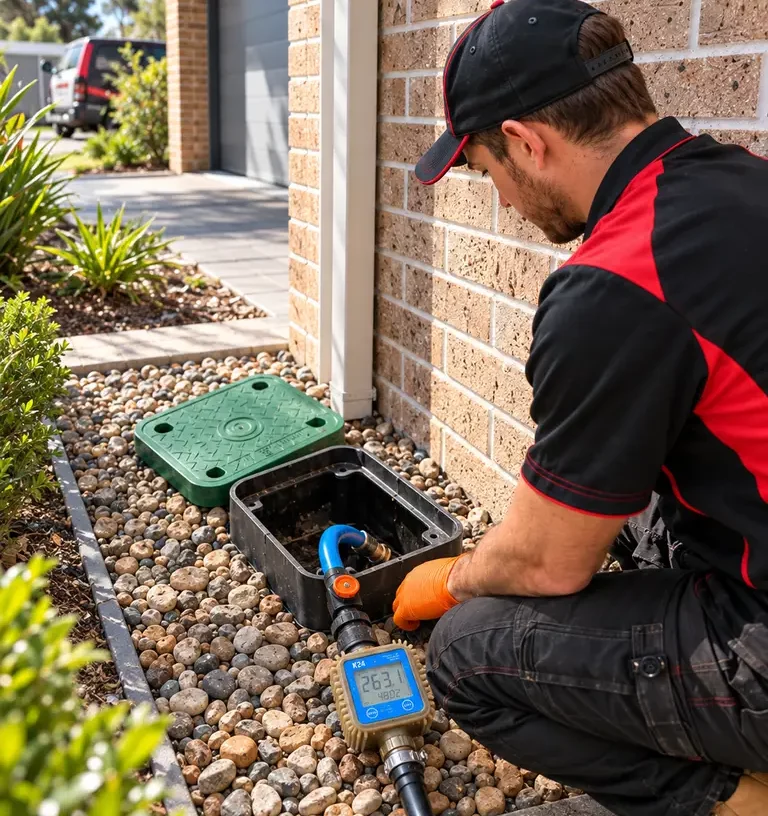
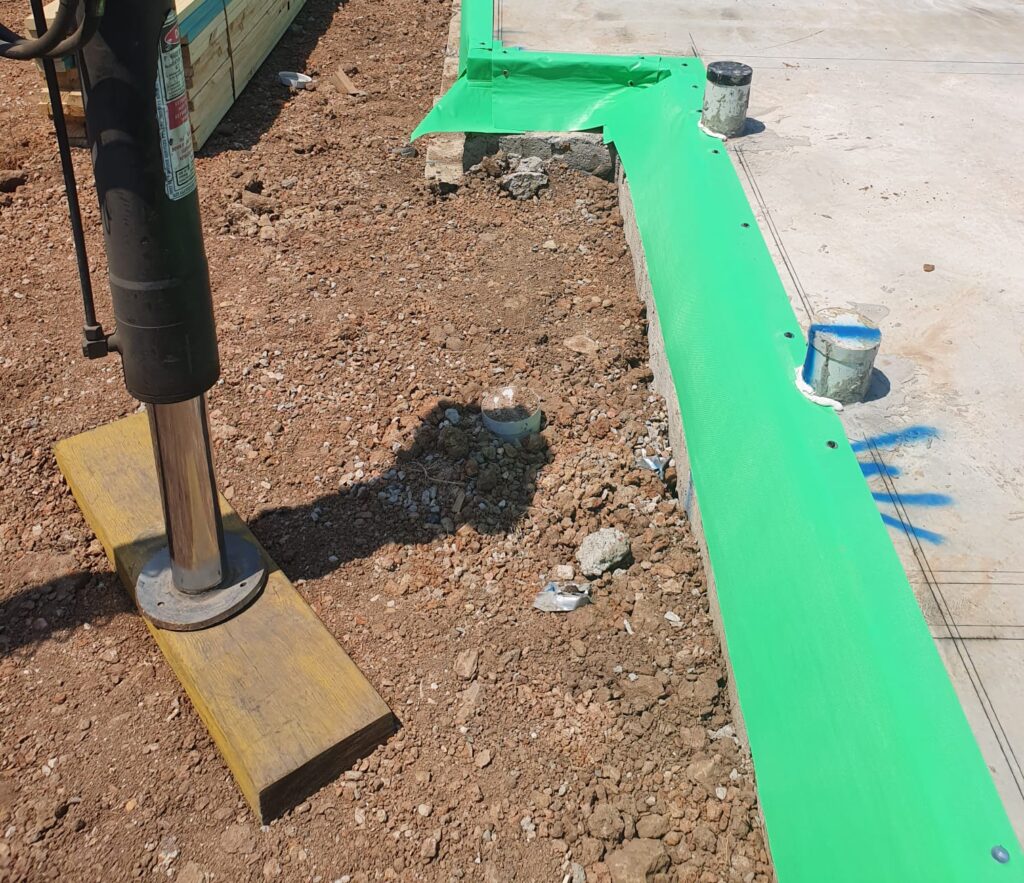
The work is coordinated through the construction sequence. A physical barrier may be installed beneath or around slab edges and service penetrations before concrete is poured. A chemical system may be applied directly to prepared soil or installed as a reticulation network, allowing a technician to replenish the protective treatment later without excavating around the entire home.
That timing matters. Once walls, paving, gardens, and driveways are complete, overlooked entry points are harder to reach and repairs become more disruptive. Termite Help assesses the construction method early so the barrier protects the areas termites are most likely to exploit.
Choosing a pre construction termite protection system
There is no single barrier that is right for every build. A slab-on-ground home, a split-level design, a home with extensive retaining walls, and a dwelling built close to neighboring structures each create different access risks. The best choice depends on construction details and how the system can be maintained after handover.
Physical termite barriers
Physical barriers use durable materials to force termites into visible inspection zones or prevent hidden access at vulnerable points. Products such as Termimesh, HomeGuard, Kordon, GreenZone, TermSeal, Smartfilm, and Trithor are commonly specified for particular details, including slab penetrations, perimeter zones, masonry interfaces, and wall cavities.
Their strength is permanence. They do not rely on a chemical charge being replenished. However, physical systems still need correct installation, protection from damage during later trades, and accessible inspection zones. A barrier concealed by high soil, paving, or poorly planned landscaping can lose much of its practical value.
Chemical soil barriers and reticulation
Chemical barriers establish a treated zone in the soil where termites would otherwise travel toward the structure. Modern non-repellent treatments are designed so termites moving through the treated zone do not simply avoid it. The treatment must be applied at the correct rate, depth, and location to deliver meaningful protection.
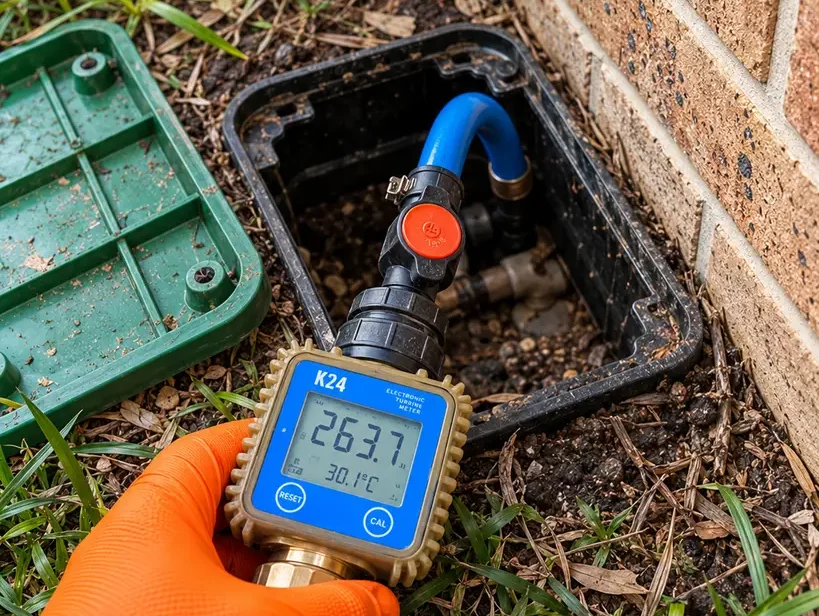
A reticulation system adds serviceability. Networks such as TermStop, Termguard, Altis, TermX, Camilleri, Cavtech, and Reterm distribute treatment through installed lines and emitter valves. Instead of digging up completed paths and gardens when replenishment is due, a technician can recharge the system through its designated access points.
| Protection approach | Best suited to | Key consideration |
|---|---|---|
| Physical barrier | Defined slab edges, penetrations, and wall details | Must remain intact and visible where inspection is required |
| Direct chemical soil treatment | Accessible soil zones during early construction | Future replenishment can require access and excavation |
| Chemical reticulation | Homes needing planned, repeatable barrier top-ups | Valve locations must remain known and accessible |
| Combined system | Complex builds or owners seeking layered defense | Needs clear trade coordination and long-term service planning |
Installation details that cannot be treated as an afterthought
The weak point in termite protection is rarely the product name. It is usually an unprotected detail, a damaged membrane, an inaccessible emitter valve, or a change made on site after the original plan was approved.
Service penetrations deserve close attention. Pipes and conduits passing through a slab create narrow concealed pathways, and each must be protected according to the specified system. Construction joints and interfaces between different building materials also require deliberate treatment. Wall cavities can need protection before linings and cladding make them inaccessible.
Builders should keep termite protection on the site checklist alongside waterproofing and drainage. The installer needs notice before pours, backfilling, rendering, external paving, and final landscaping. Homeowners should receive installation records, warranty information, system plans, and details of when ongoing inspection or recharge work is recommended.
Why landscaping can undermine a new barrier
A well-installed system can be compromised by later decisions around the home. Garden soil piled above slab edges, mulch against weep holes, decking built tight to walls, and paving that removes inspection clearance can all create concealed termite routes.
This does not mean a new home cannot have gardens or outdoor living areas. It means they must be designed with inspection and drainage in mind. Keep required slab-edge visibility clear, direct water away from the building, and tell your termite specialist before major external works begin.
Compliance is only the starting point
New homes in New South Wales require termite management measures that align with the applicable construction requirements, commonly referenced through AS 3660.1. Compliance documentation matters for builders, certifiers, buyers, and future owners. But a compliant installation still needs ongoing care.
Termites are persistent, and no system should be sold as an absolute lifetime guarantee without inspection. Chemical barriers can lose effectiveness over time. Reticulation systems need proper recharging. Physical barriers require inspections to confirm that later construction, landscaping, and building movement have not created concealed pathways.
A professional inspection looks beyond the barrier itself. It considers moisture conditions, drainage, plumbing leaks, timber storage, garden levels, access restrictions, and any changes made since the home was built. Thermal detection and targeted investigation can help identify suspicious moisture or activity before damage becomes extensive.
When a newly built home needs attention
Do not wait for obvious damage. Arrange a prompt assessment if you find mud leads around piers or slab edges, hollow-sounding timbers, bubbling paint, unexplained moisture, or damaged barrier materials. Also call for help if you cannot locate your reticulation valves, have no installation records, or are planning a renovation that will cut through protected areas.
For builders, the warning sign is a change to the original design. Added penetrations, altered levels, retaining walls, late plumbing changes, and revised external finishes can all require the termite plan to be reviewed before works continue. Fast action is cheaper than reopening finished surfaces after the fact.
Build protection that can be maintained
The strongest pre-construction plan is one that remains understandable years after handover. It identifies the selected system, protects each critical construction detail, leaves practical inspection access, and gives the owner a clear pathway for future servicing.
Whether you are building in Castle Hill, Kellyville, Baulkham Hills, or elsewhere across the region, insist on more than a one-off spray. Choose a barrier program that can be inspected, repaired, re-treated, and recharged when required. Your peace of mind is our mission, and your new home deserves a termite defense that stands up long after the concrete has cured.