
A termite inspection report can look reassuring at first glance, then become alarming when you see terms like “conducive conditions,” “moisture entry,” or “timber damage.” The difference is knowing what those findings mean for your house, what needs action now, and what should be monitored. This termite inspection report checklist helps homeowners turn a technical report into a clear protection plan before hidden activity becomes an expensive structural problem.
Start With the Inspection Scope
Before focusing on the result, check what the inspector was able to inspect. A proper report should identify the accessible areas of the home, including the interior, exterior perimeter, roof void where accessible, subfloor, garage, decks, retaining walls, and visible service penetrations.
No inspection can see through every wall, under fixed flooring, behind built-in cabinetry, or beneath stored belongings. That does not make the report incomplete. It means those limitations must be stated clearly so you understand where termite activity could remain concealed.
For homes in Castle Hill, Kellyville, Baulkham Hills, and older parts of Ryde, access can be a major issue. Tight subfloors, covered weep holes, extensive landscaping, and stored items against walls can all reduce visibility. Treat recommendations to improve access as part of the protection work, not as minor housekeeping.
Practical advice
If an inspector could not access a subfloor, wall cavity, or perimeter section, ask what needs to be moved, cleared, or repaired before a follow-up inspection. An inaccessible risk area is not the same as a termite-free area.
Termite Inspection Report Checklist: Key Findings
A useful report separates active termites, evidence of previous termites, timber damage, and conditions that make future attack more likely. Those categories require different decisions.
1. Active termite activity
This is the priority finding. Look for a clear statement confirming whether live termites were located, where they were found, and which building materials or timbers are affected. The report should record the species if identifiable, the entry point or likely concealed pathway, and whether the activity appears limited or widespread.
Do not disturb mud leads, damaged timber, or live termites before treatment advice is provided. Breaking open a lead may cause termites to retreat and establish another concealed route. Professional treatment may involve targeted non-repellent soil treatment, baiting, wall-cavity treatment, or a combination based on the construction and extent of activity.
2. Previous termite evidence and damage
Old mud tubes, damaged timber, repaired areas, and previous treatment drill holes do not automatically mean termites are active today. They do mean the property has a history worth taking seriously. Ask whether the damage appears historic, whether repairs are needed, and whether the original entry route has been protected.
A report should not casually label damage as old if active termites cannot be ruled out in nearby concealed areas. This is especially relevant around bathrooms, laundries, external decks, and additions where moisture and mixed building materials create hidden pathways.
3. Conducive conditions
Conducive conditions are factors that increase termite pressure or make detection harder. They are not proof of infestation, but ignoring them gives termites a better chance of entering unnoticed.
Common report findings include excessive moisture, leaking plumbing, poor drainage, timber or garden mulch against the building, blocked subfloor ventilation, soil above weep holes, dense vegetation, and untreated timber structures connected to the home. A good inspector explains the specific risk rather than relying on a generic warning.
4. Building defects and entry points
Subterranean termites can enter through cracks, slab edges, service penetrations, construction joints, and concealed areas around pipes. Check whether the report identifies defects that need a builder, plumber, or drainage contractor, rather than assuming pesticide alone will solve every issue.
This is particularly important for homes with extensions, split levels, retaining walls, or altered landscaping. The perimeter may no longer match the original termite barrier design.
Check the Barrier or Reticulation System Details
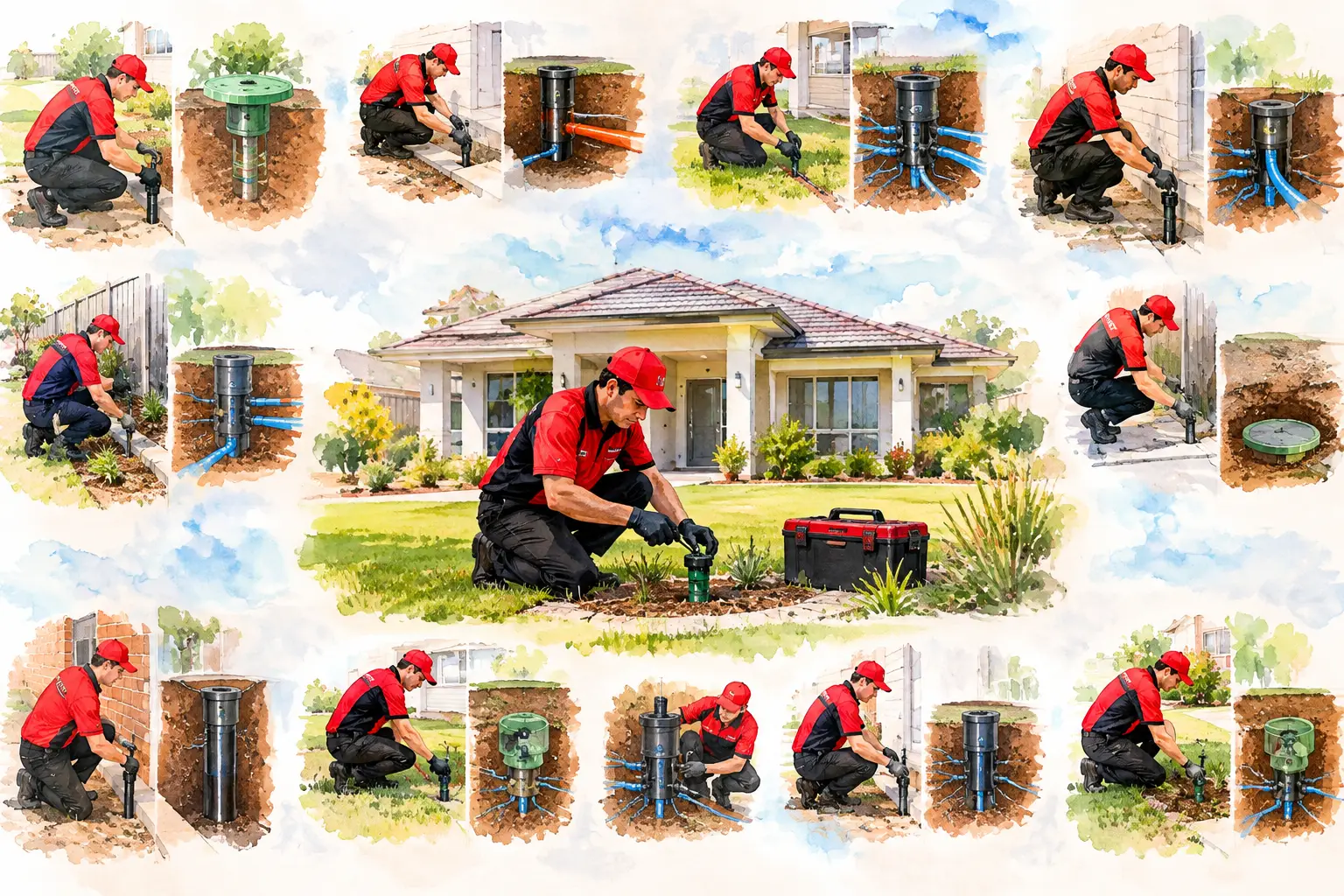
If your home has a chemical reticulation system, the report should identify the system brand, accessible fill points, apparent condition, and whether the system is due for a refill, test, or repair. Termguard, TermStop, TermX, Altis, Camilleri, Cavtech, and Reterm systems are designed to distribute termiticide through installed pipework around or beneath the structure. They need professional servicing to remain part of an effective long-term defense.
Do not assume an installed system is active simply because fill points are visible. Chemical life varies with the product used, system design, previous service history, and site conditions. The report should state whether records were available and recommend the next service interval.
| Report finding | What it can mean | Recommended next step |
|---|---|---|
| Live termites located | Current attack requiring a controlled response | Arrange treatment promptly and avoid disturbing activity |
| Barrier history unknown | Protection may be expired, incomplete, or unverified | Confirm system type and assess refill or treatment options |
| Moisture or drainage issue | Higher termite attraction and concealed entry risk | Repair the source and reinspect affected areas |
| Access restricted | Parts of the home could not be assessed | Clear access and book a targeted follow-up inspection |
For system-specific advice, a professional reticulation system refill assessment can confirm whether pipework, emitter valves, and fill points are ready for recharge. Repairs should be completed before replenishment if the system is damaged or inaccessible.
Make Sure the Recommendations Match the Risk
The most useful reports provide recommendations in order of urgency. Active termites may require immediate treatment. Moisture correction, landscaping changes, and access improvements should follow quickly because they reduce the chance of reinfestation and make future inspections more reliable.
For a house with no active termites but substantial risk factors, ongoing monitoring, annual inspections, a chemical soil barrier, or baiting may be appropriate. The right option depends on construction type, soil access, drainage, nearby trees, existing barriers, and whether there is a working reticulation system.
A baiting program can be valuable where direct soil treatment is limited or where activity needs ongoing monitoring. A chemical barrier may suit properties with accessible perimeter soil and a clear treatment zone. Neither option replaces good drainage and regular inspection. Read more about termite treatment options before deciding on a one-size-fits-all approach.
Review the Photos, Diagram, and Service Records
Photos make a termite report far more useful. They should show damaged areas, mud leads, moisture issues, barrier fill points, and inaccessible zones. A site diagram can also show the direction of termite travel and where treatment or monitoring stations are proposed.
Keep the report with past pest control invoices, barrier certificates, building plans, and renovation records. This documentation matters if you are selling, buying, renovating, or trying to establish when a reticulation system was last serviced. It also helps the next technician avoid guesswork.
If you are purchasing a home, do not rely only on a seller’s statement that the property has been treated before. Request records and arrange an independent termite inspection. Previous treatment is useful history, not a permanent guarantee against future attack.
Questions to Ask After Reading the Report
Ask whether termites were active at the time of inspection, which areas could not be accessed, what conditions need correcting first, and whether an existing barrier can be verified. You should also ask when the property should be reinspected and whether the recommended treatment is designed to eliminate current activity, prevent future entry, or both.
For homeowners, the best report does more than identify a problem. It gives you a sequence: treat active activity if present, fix conditions that invite termites, maintain barriers or reticulation, and schedule regular professional inspections. That is how a report becomes practical protection for the home you have worked hard to build.
A small note in a report about moisture, blocked access, or an overdue barrier can be the early warning that saves a property from major concealed damage. Act on the finding while the solution is still straightforward.