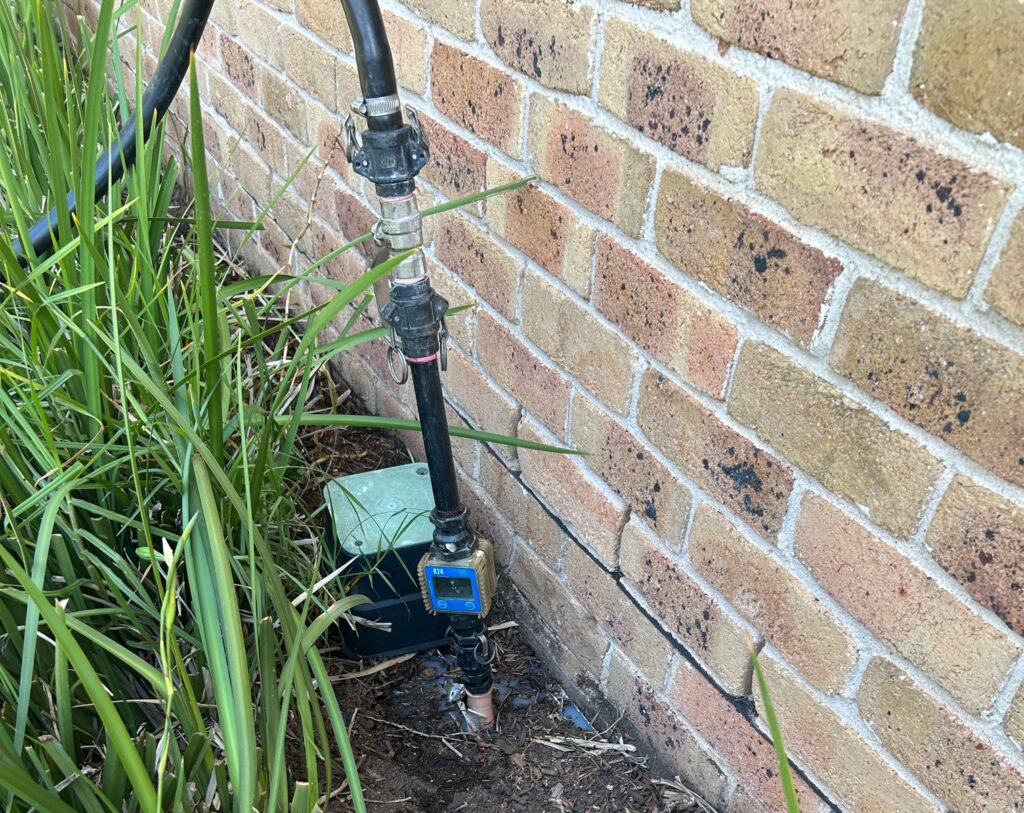
A Stanhope Gardens Termguard refill is not a job to leave until you spot mud tubes or damaged timber. Your reticulation system is designed to deliver termite chemical beneath and around key parts of the slab, creating a treated soil zone where subterranean termites are most likely to travel. Once the active termiticide reaches the end of its approved service life, that protection can weaken even though the house still looks perfectly sound.
Termites can enter through gaps as small as a few millimeters, often behind walls, beneath flooring, or around service penetrations. That is why TERMITE HELP treats a refill as part of an ongoing defense plan for your biggest investment, not as a one-off chemical top-up.
When should you book a Termguard refill?
The best time to book is before the existing chemical barrier expires, using the installation paperwork, treatment label, and prior service records as your guide. A Termguard system is not automatically protected forever. The refill interval depends on the termiticide used, the system layout, soil conditions, whether additions have changed the perimeter, and the manufacturer and product label directions in force at the time of service.
Many homeowners first call because they have received a renewal reminder or are selling their property. Those are good prompts, but they should not be the only triggers. Book an assessment if you cannot locate records showing when the system was last replenished, if the original builder’s warranty period is ending, or if a previous inspection recommends barrier renewal.
Book sooner after changes around the home
A functioning reticulation network can still need attention before its ordinary refill date. Landscaping, excavation, drainage work, new paving, pool construction, extensions, and plumbing repairs can disturb treated soil or damage distribution lines. Even a garden bed built hard against the exterior can create hidden termite access and make visual inspection harder.
If you have recently altered the ground near your slab, arrange a professional review. The technician can assess whether the Termguard lines, emitter points, and likely termite entry zones remain serviceable, rather than simply pumping chemical into a system that may no longer protect the intended area.
How a Termguard refill protects your home
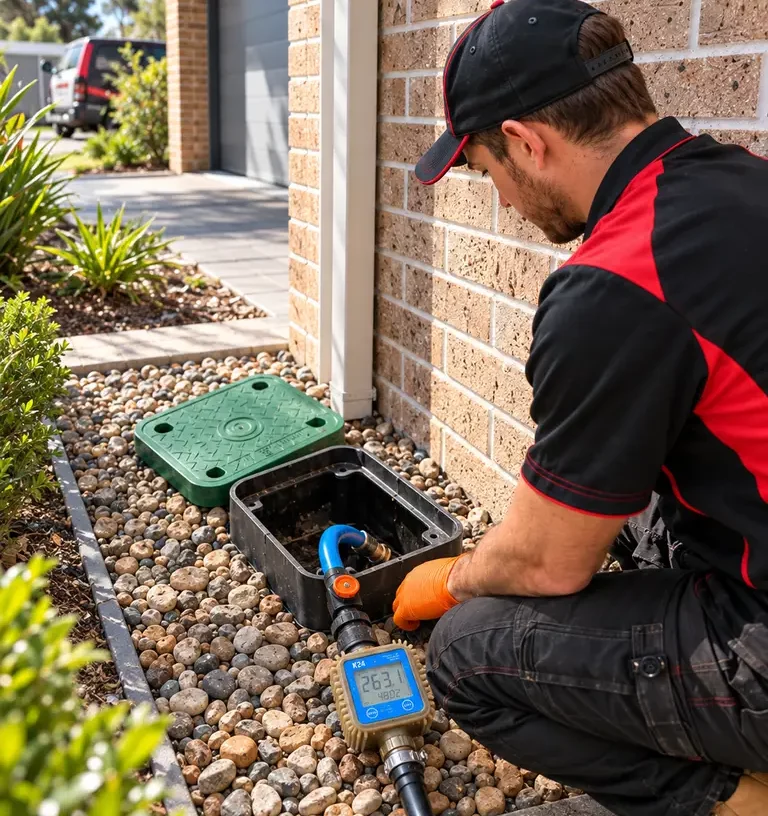
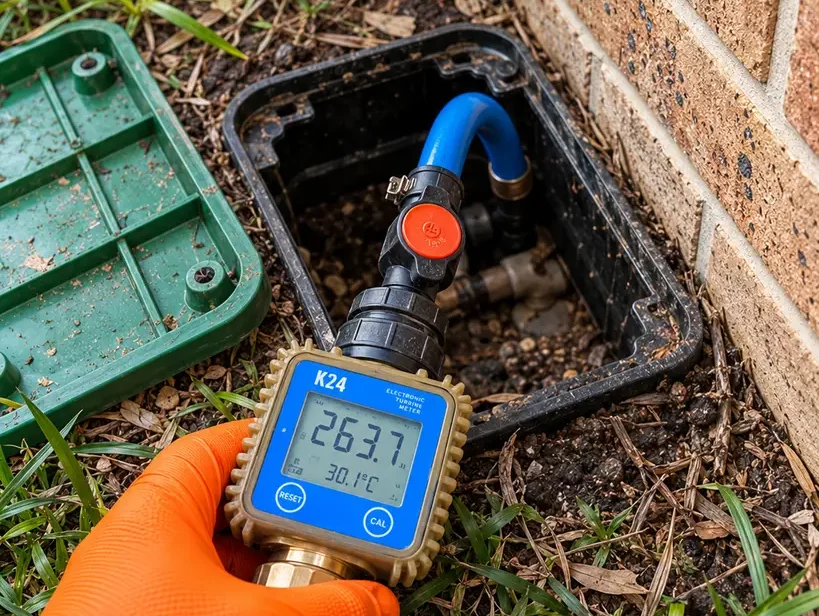
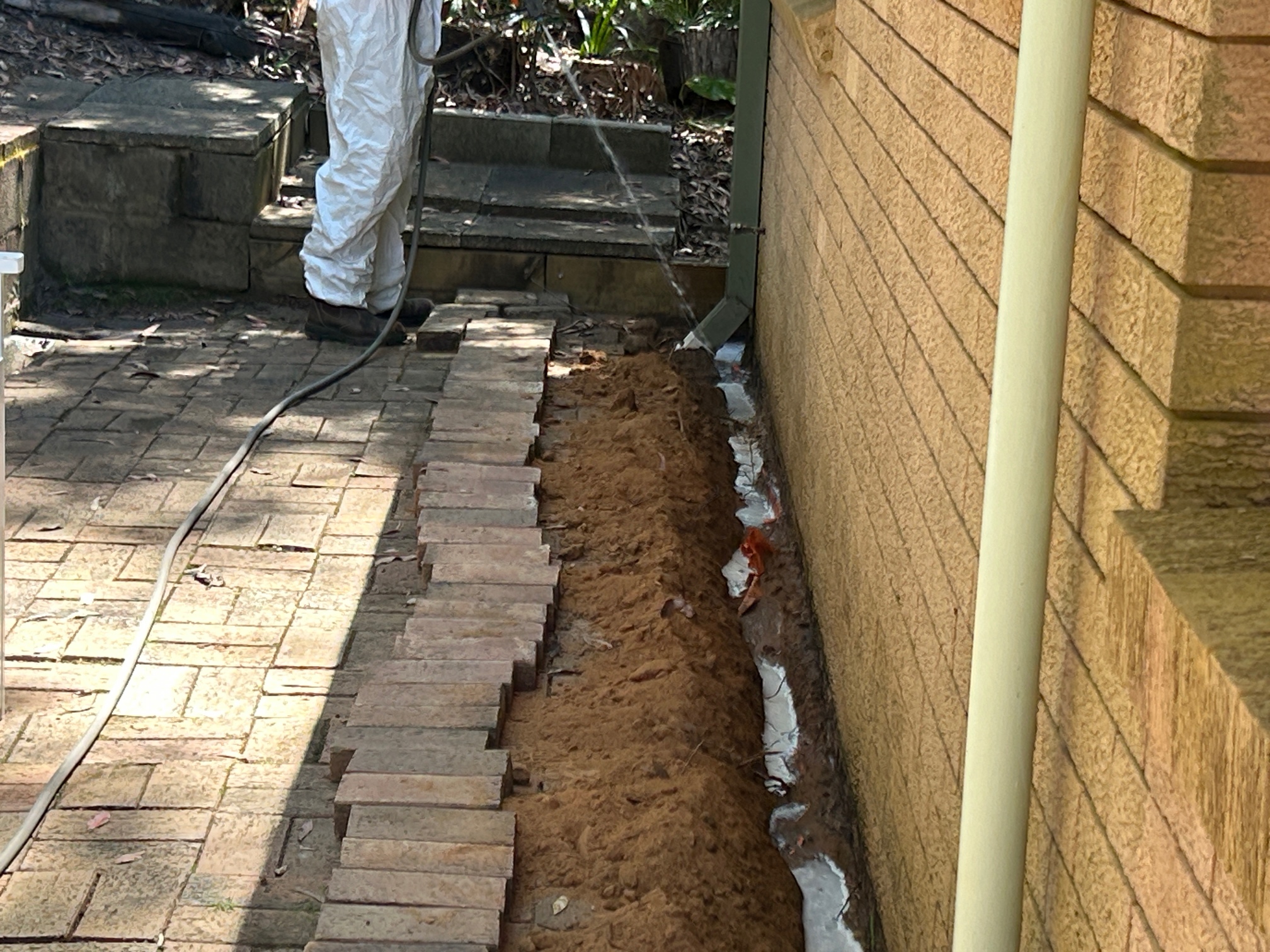
Termguard is a chemical reticulation system installed during construction or major building works. Its concealed pipework allows a registered technician to introduce a specified termiticide into the soil around protected sections of the structure without extensive digging. The goal is a continuous treated zone that deters or controls termites as they move through the soil toward the building.
That convenience does not remove the need for skilled servicing. Refill points need to be identified, access checked, and the system pressure-tested where appropriate. The selected chemical, application rate, and volume must suit the installed system and product directions. A proper service also considers areas that reticulation may not cover, such as wall cavities, construction joints, attached decks, and additions.
| Situation | What it can mean | Recommended action |
|---|---|---|
| Refill date is approaching | Barrier chemistry may be nearing the end of its approved protection period. | Book the refill before the due date and retain the service documentation. |
| No service records available | You cannot confirm whether the barrier is current or what product was used. | Arrange an inspection and system assessment before relying on the barrier. |
| Excavation, paving, or plumbing work completed | Soil treatment or reticulation components may have been disrupted. | Have the affected area inspected and repair or supplement protection if required. |
| Mud tubes, hollow timber, or live termites | There may be an active infestation, not just an overdue maintenance issue. | Book an urgent termite inspection and targeted treatment plan. |
Do not confuse a refill with a termite inspection
A chemical refill maintains the barrier. An inspection searches for evidence that termites have already found a route around it. Both matter. Soil movement, moisture, concealed construction details, and untreated bridging points can allow termites to bypass a barrier without making themselves obvious.
Our professional termite inspections examine accessible risk areas, including subfloors, exterior walls, roof voids, garden edges, and moisture-prone locations. Where conditions call for it, thermal detection and other investigative methods can help identify suspicious activity hidden from plain sight.
Annual inspections are a sensible baseline for many Sydney homes, including properties in Stanhope Gardens where established landscaping, slab-on-ground construction, and busy building activity can all influence termite risk. Higher-risk homes may need more frequent reviews. A technician should recommend the interval after considering the property, not apply a generic schedule to every house.
Warning signs that should move your booking forward
Do not wait for obvious structural damage. Subterranean termites stay concealed because they need moisture and protection from open air. Their first signs are often subtle: narrow mud leads on brickwork or piers, paint that bubbles without an apparent leak, soft or hollow-sounding trim, tight doors that suddenly stick, or unexplained piles of winged insects near windows.
Finding discarded wings does not confirm termites, and damaged timber may have another cause. But it does justify a prompt assessment. Avoid disturbing live mud tubes or spraying household insecticide into an active area. That can scatter a colony, complicate treatment, and leave hidden feeding points untouched.
What happens at a Termguard refill appointment?
First, the technician reviews available system documentation and locates the fill points. The network is assessed for visible damage, blocked access, missing caps, and changes to the building or soil that could affect performance. The service is then tailored to the system brand, chemical requirements, and protected footprint.
After replenishment, you should receive clear records of the work completed, including the treatment details and the next recommended service window. If a line is damaged or an area cannot be adequately protected through the reticulation network, we will explain the remedy plainly. That may involve a system repair, targeted soil treatment, a wall-cavity application, or a complementary termite treatment program.
This is where experienced system knowledge matters. Termguard, TermStop, Altis, TermX, Camilleri, Cavtech, and Reterm systems are not interchangeable just because they all use pipework. The layout, access points, service history, and approved replenishment process must be understood before the system is serviced.
Protect the barrier, but protect the building too
A current Termguard refill is a strong layer of defense, not permission to ignore moisture leaks, timber stored against the house, overgrown garden edges, or poor drainage. Keep weep holes visible where applicable, repair leaking taps and air-conditioning drains, and avoid creating concealed timber-to-soil bridges near the structure.
TERMITE HELP designs practical long-term protection programs because your peace of mind is our mission. If activity persists after our service, we stand by our results and return to re-treat at no charge under the applicable treatment program. The right time to book is while you still have control of the risk – before termites turn an overdue refill into a costly repair.