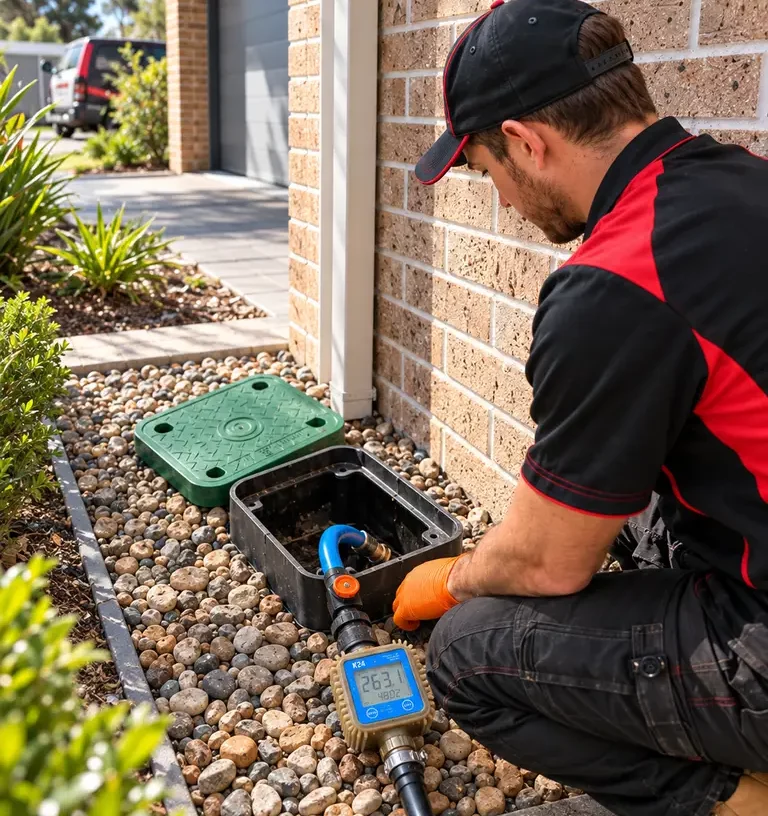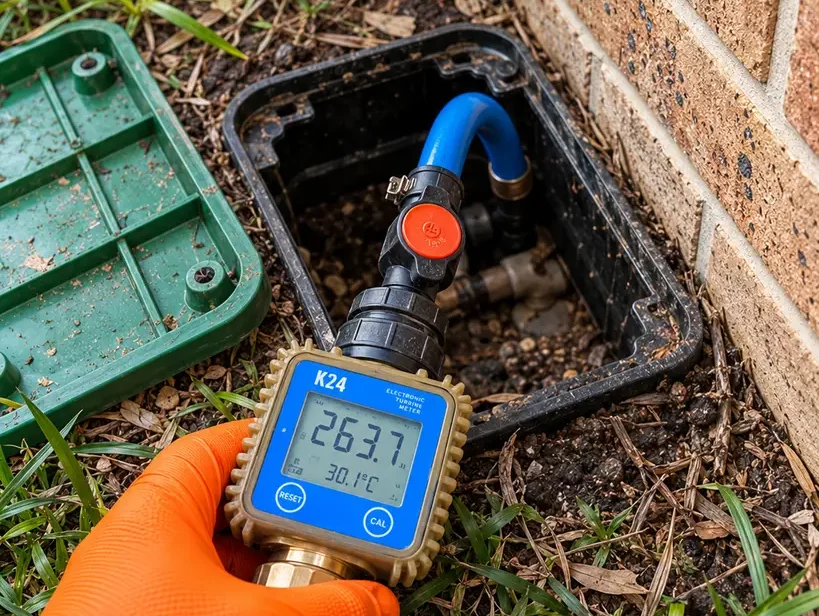

A Bella Vista reticulation refill / Bella Vista termite barrier recharge is not a routine spray around the house. It is a controlled renewal of the chemical defense already built around or beneath your home – and it needs to be completed through the system’s designated ports, at the correct volume, after the system has been assessed.
For homes in Bella Vista, where established landscaping, slab construction, concealed service lines, and active termite pressure can all complicate access, an overlooked reticulation system can leave a costly gap in your protection. TERMITE HELP treats every refill as part of a long-term defense plan designed to guard your biggest investment.
What a termite reticulation refill actually does
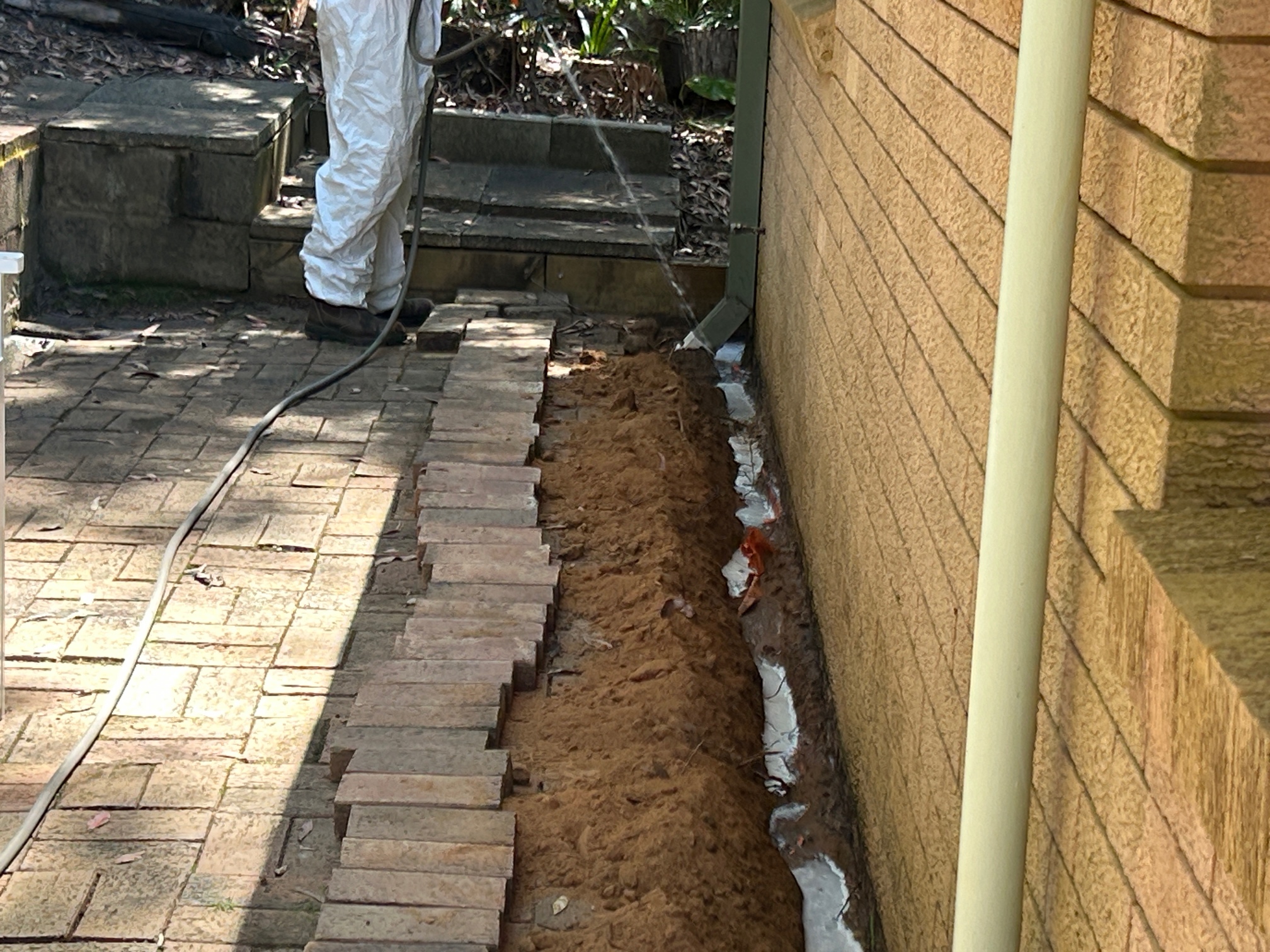
A chemical reticulation system is a network of pipes installed in the soil around a building perimeter, beneath slabs, around penetrations, or in selected wall cavities. The pipe contains small outlets that distribute a registered termiticide into the intended treatment zone when the system is charged from its fill points.
This setup allows a qualified technician to replenish the barrier with less disruption than extensive trenching and drilling. It does not make the property permanently termite-proof. The chemical protection has a service life, the system can develop faults, and changes around the home can compromise the original treatment zone.
During a professional recharge, the technician identifies the system type and accessible refill ports, checks for damage or blockages, calculates the treatment area, and introduces the appropriate product in accordance with its label and the system design. The result should be documented so you know what was applied, where it was applied, and when the next review is due.
When does a Bella Vista termite barrier recharge become due?
The answer depends on the chemical originally used, the system manufacturer, the treatment certificate, site conditions, and any renovation work completed since installation. Your original paperwork is the best starting point. If it lists a replenishment interval, treat that date as a protection deadline rather than a suggestion.
Do not assume a system is still protecting the home simply because its caps are visible outside. Reticulation lines can be damaged by garden work, paving, drainage upgrades, roots, building additions, or accidental disturbance. A barrier may also be incomplete if an extension was built without integrating termite protection.
| Situation | What it can mean | Best next step |
|---|---|---|
| Recharge date has passed | The chemical barrier may no longer be within its stated protection period. | Arrange a system assessment and refill plan. |
| Garden, paving, or renovation work occurred | Lines, ports, or treated soil may have been disturbed. | Inspect the barrier before relying on it. |
| Mud leads, damaged timber, or flying termites appear | There may be current termite activity, not just a maintenance issue. | Book an urgent termite inspection and treatment assessment. |
Why a refill is not a job for guesswork
Reticulation systems are not all the same. Bella Vista properties may have TermStop, Termguard, Altis, TermX, Camilleri, Cavtech, Reterm, or another installed system. Port locations, line layouts, treatment zones, and service procedures vary. The wrong assumption can mean an untreated section, a wasted application, or pressure placed into a damaged line.
The treatment product matters too. Modern non-repellent termiticides are designed to work differently from older repellent perimeter sprays. Termites cannot reliably detect the treated zone, so they may travel through it and transfer the product within the colony. That benefit depends on correct placement and a continuous enough treatment zone – not simply adding chemical wherever there is access.
Professional assessment also separates a maintenance recharge from an active infestation response. If termites have entered through a concealed crack, wall cavity, plumbing penetration, or disturbed edge, the home may require a targeted treatment, monitoring, or localized soil work in addition to recharging the existing system.
System testing and repair come before confidence
A refill port that accepts product does not automatically prove every emitter is working as designed. A responsible service considers visible pipe condition, likely treatment zones, access limitations, prior records, and signs of leakage or blockage. Where a fault is suspected, the repair strategy should be explained before the barrier is represented as complete.
This is particularly important for homes with mature gardens or recent outdoor upgrades. Reticulation is valuable because it reduces disturbance, but it cannot compensate for a broken line or a section of soil that has been removed and replaced without treatment.
Recharge, perimeter treatment, or physical barrier?
Each form of termite defense has a role. An existing, serviceable reticulation network often makes a recharge the most practical way to renew chemical protection. If the system is damaged, inaccessible, or absent around a vulnerable section, a conventional soil treatment may be the better option. Physical barriers are typically installed during construction and can provide durable protection at critical building interfaces, but they still require regular termite inspections.
| Protection approach | Best suited to | Key limitation |
|---|---|---|
| Reticulation recharge | Homes with an identifiable, serviceable pipe system. | Needs periodic replenishment and system integrity checks. |
| Direct soil treatment | Untreated edges, repairs, additions, or no existing system. | May require drilling, trenching, or access work. |
| Physical barrier | New builds and accessible construction stages. | Does not remove the need for inspections. |
What to expect from a Bella Vista reticulation refill service
Start by gathering any prior termite certificates, invoices, warranty details, and building plans you have. These records can reveal the system brand, chemical history, installation date, and areas covered. If you do not have them, that does not prevent an assessment, but it may affect how the technician verifies the system.
At the property, the inspection should look beyond the refill points. Accessible slab edges, subfloor areas, weep holes, gardens against external walls, timber structures, drainage, and recent alterations can all affect termite risk. Thermal detection and moisture-focused investigation may be appropriate where there are warning signs, although no technology replaces a thorough inspection.
After service, retain the documentation and schedule future inspections. Australian homes can be attacked from concealed locations, and termite damage is frequently excluded from standard home insurance. The purpose of ongoing protection is early detection and a maintained defense before structural damage escalates.
Protect the barrier and the home behind it
A reticulation refill is most effective when paired with sensible property maintenance. Keep garden beds below weep holes, repair moisture leaks, avoid storing timber against the house, and make sure subfloor ventilation remains clear. These steps do not replace treatment, but they reduce the conditions that make concealed termite entry easier.
If activity persists after a service, you need a provider that stands by its results and returns to reassess the problem. Your peace of mind is our mission: the right recharge is documented, system-specific, and backed by a clear remedy when conditions demand further action.
Do not leave an expired barrier to chance. A timely assessment can confirm whether your Bella Vista system is ready for recharge, needs repair, or requires a more targeted termite response before the damage becomes expensive.