
A termite reticulation system is not a one-time termite treatment hidden beneath your home. It is a purpose-built network designed to deliver termite chemical into the soil around key risk areas, so your property can maintain a protective barrier long after construction is complete. For Sydney homeowners, that matters because subterranean termites can travel underground for considerable distances and begin feeding inside concealed timber before visible damage appears.
At TERMITE HELP, we treat reticulation as part of an ongoing defense program, not a reason to skip inspections. A system must be identifiable, intact, accessible, and recharged with the right product at the right time. If termite activity is found after our service, we stand by our results and return to re-treat at no charge.
What Is a Termite Reticulation System?
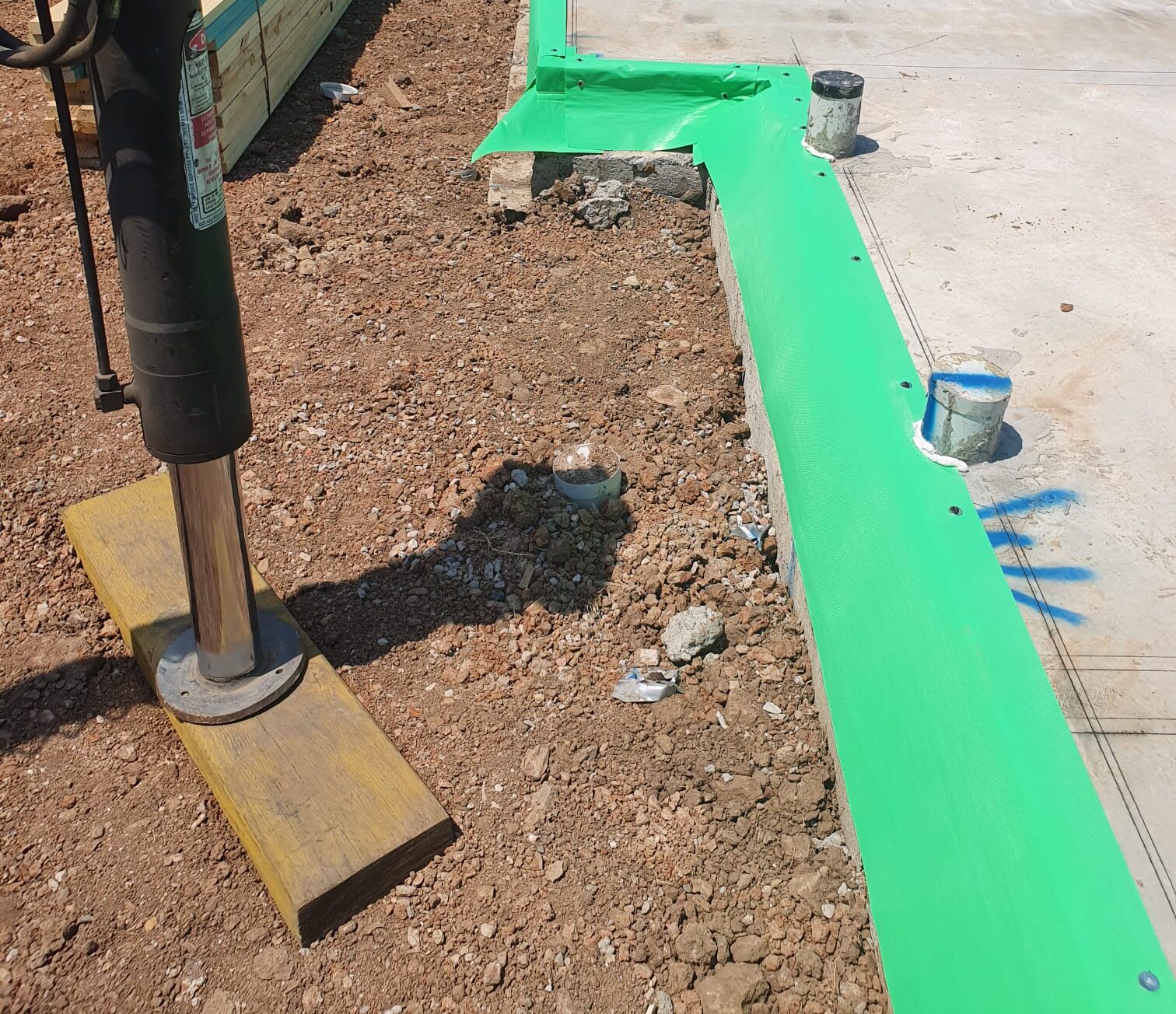
A chemical reticulation system consists of durable pipework installed beneath or around a building. The pipe has carefully placed outlets that distribute termiticide into the surrounding soil when a licensed technician connects specialist equipment to the system’s charging points.
The goal is to establish a continuous treated zone where termites are most likely to enter: along external slab edges, around patios, beneath paved areas, at service penetrations, and sometimes within wall cavities. The piping itself does not kill termites. It allows a qualified technician to replenish the chemical barrier without excavating gardens, lifting pavers, or drilling extensively through finished surfaces.
Systems may be installed during construction or retrofitted to an established house where access and building design allow. Common system names seen across New South Wales include TermStop, Termguard, Altis, TermX, Camilleri, Cavtech, and Reterm. Each has its own layout, access points, capacities, and service requirements. The label on a charging point is useful, but it is not proof that the system has been maintained correctly.
How the Reticulation Barrier Works
When a technician recharges the network, the selected termiticide flows through the pipework and disperses from the outlets into the soil. Modern non-repellent products are often used because termites cannot readily detect and avoid them. Termites that pass through the treated zone can transfer exposure through their colony activity.
That is very different from a surface spray around a house. Surface applications can be useful for particular pest issues, but they rarely create the same targeted subsurface defense as a correctly designed and charged reticulation system.
The barrier is only as dependable as its coverage. Soil movement, landscaping, drainage changes, additions, plumbing works, and broken lines can all create weak points. Termites do not need a large gap. A narrow untreated route near a slab edge, pipe penetration, or disturbed garden bed may be enough.
Reticulation, Physical Barriers, and Direct Treatment
A reticulation system is an excellent option for many homes, but it is not automatically the best answer for every property. New builds may combine chemical systems with physical products such as Termimesh, HomeGuard, Kordon, GreenZone, TermSeal, Smartfilm, or Trithor. Existing termite activity may also require direct treatment, baiting, or targeted wall-cavity work before a long-term program can begin.
| Protection method | Best suited to | Key consideration |
|---|---|---|
| Chemical reticulation | Homes needing a renewable soil barrier with limited future excavation | Requires scheduled inspections and professional recharging |
| Physical barrier | New construction and accessible building details | Must be correctly integrated during construction and kept visible where required |
| Direct treatment or baiting | Confirmed activity, localized entry points, or colony elimination work | Addresses current risk but still needs ongoing monitoring |
For builders, the strongest approach is usually decided before the slab is poured. Barrier selection needs to suit the building plans, drainage design, service penetrations, landscaping allowances, and applicable construction requirements. Reticulation is valuable because it gives future owners a practical way to replenish chemical protection, but installation quality and documentation are essential.
When Does a Reticulation System Need Recharging?
There is no responsible one-size-fits-all refill date. The chemical used, its approved application rate, soil conditions, system design, local termite pressure, and property changes all affect the service interval. Your original warranty documents may specify an expected replenishment period, but a current inspection should determine whether recharging is appropriate.
Do not wait for a warranty reminder if your property has been altered. A new deck, paving, pool, retaining wall, garden irrigation, extension, or drainage repair can disturb treated soil or block access to charging points. Even a well-maintained system cannot protect an area that has been physically changed without assessing the barrier afterward.
Warning signs that deserve an inspection
Termites are often silent, but their entry routes can leave clues. Arrange a professional assessment promptly if you find mud tubes on brickwork or piers, soft or hollow-sounding timber, bubbling paint, tight doors or windows, unexplained power faults, or small piles of winged insects near windows. These signs do not confirm the extent of an infestation, but they are never a reason to wait.
A reticulation recharge is preventive work. If active termites are present, the technician needs to inspect the entire situation first. Recharging pipework alone may not treat a colony feeding inside a wall, beneath flooring, or through an untreated construction detail.
Why System Testing and Repairs Matter
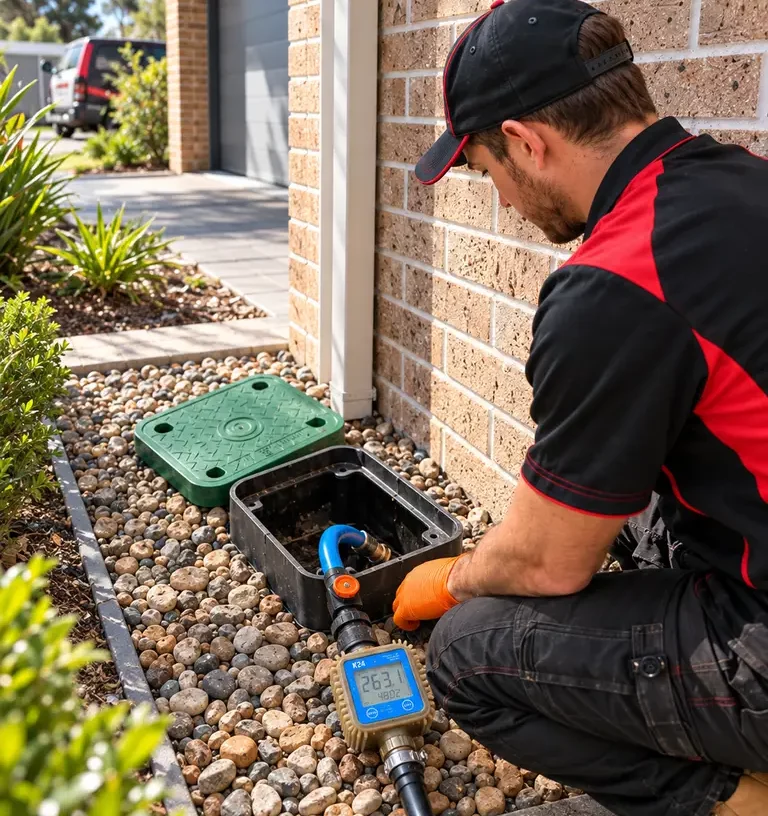
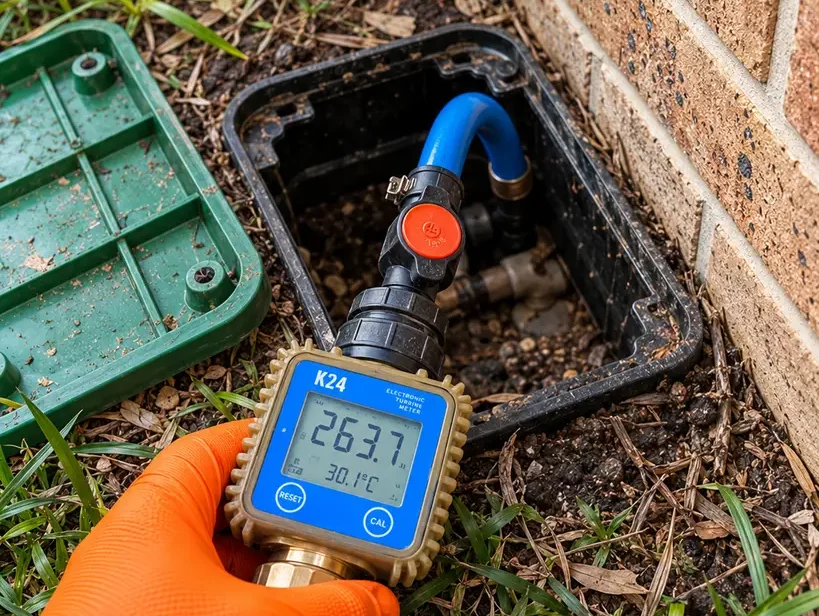
Before replenishing a termite reticulation system, a technician should locate the ports, assess their condition, check for damage, and confirm that the lines can accept product as expected. A crushed pipe, disconnected line, blocked outlet, missing cap, or poor original layout can leave a section of the property with little or no meaningful protection.
This is where system-specific experience matters. A technician should not assume every port connects to every perimeter line, nor should they force chemical into a system that is showing signs of failure. Repairs may involve replacing damaged access points, correcting pipe connections, restoring sections affected by building works, or recommending another treatment method where a repair is not practical.
For homes in the Hills District, North West Sydney, Ryde, the Northern Suburbs, and Western Sydney, termite pressure can vary sharply between streets and even neighboring properties. Timber landscaping, moisture, mature trees, subfloor conditions, and nearby bushland all change the risk. Your peace of mind is our mission, which is why the property itself must guide the plan.
A Better Long-Term Termite Defense Plan
A maintained reticulation barrier works best alongside regular professional termite inspections. Inspections look beyond the pipework for activity in roof voids, subfloors, wall edges, wet areas, fences, stored timber, and concealed entry points. Thermal detection and moisture-focused investigation can help identify conditions that deserve closer examination, while clear digital reporting gives homeowners a record of what was checked and what needs attention.
Good termite prevention also includes practical property care: fix leaks quickly, keep weep holes visible, avoid timber-to-soil contact, manage drainage away from the building, and do not pile mulch against external walls. These steps reduce favorable conditions, but they do not replace a chemical barrier or inspection program.
If your system is overdue, damaged, undocumented, or simply unfamiliar, start with an inspection rather than a guess. Guard your biggest investment with a plan that confirms what is installed, identifies the gaps, and gives termites far fewer places to hide.