A Termguard system is designed to make termite barrier replenishment less disruptive, not to make it a set-and-forget feature. For a Leppington Termguard Refill: When to Book, the right answer depends on the chemical previously installed, the system condition, soil changes around the home, and whether a current termite inspection finds any warning signs. Booking before protection lapses gives your property the best chance of maintaining a continuous chemical zone where termites are most likely to travel.
Why Termguard refill timing matters in Leppington
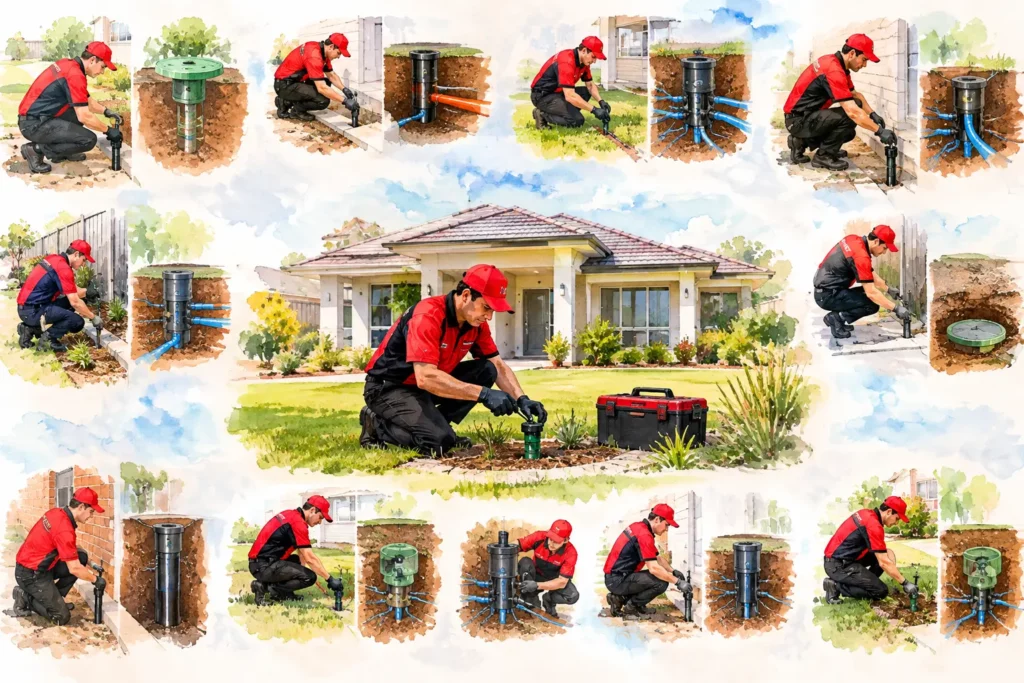
Leppington has seen substantial new-home construction, and many properties have chemical reticulation installed beneath or around slabs during construction. Termguard uses a network of pipes and emitter points so a licensed technician can replenish an approved termiticide into the treatment zone without excavating large sections of landscaping or concrete.
That convenience is valuable, but it does not remove the need for planning. Termiticides break down over time, while garden beds, drainage work, paving, retaining walls, and soil movement can alter the conditions around the perimeter. A refill completed at the appropriate interval helps restore the chemical barrier before it becomes unreliable.
A professional visit should also confirm that the system can accept treatment. Filling a system without checking access points, flow, visible damage, and the home’s termite risk can leave important questions unanswered.
Practical advice
Keep the original termite protection paperwork if you have it. It may identify the Termguard layout, chemical used, installation date, and recommended replenishment interval. If documents are missing, a site assessment can establish a practical protection plan.
When should you book a Leppington Termguard refill?
The service interval is determined primarily by the termiticide label and the original treatment record. Many chemical barriers require reassessment or replenishment within a number of years, but there is no responsible one-size-fits-all date. Some products have different expected service lives, and conditions at the property matter.
As a practical rule, book an assessment well before the documented expiry or recommended refill window. This allows time to inspect the house, test the system where appropriate, locate damaged or covered ports, and organize repair work if it is needed. Do not wait until a sale contract, renovation, or termite sighting creates urgency.
Book sooner after changes around the home
A Termguard refill review is worthwhile earlier than planned if you have added garden edging against the walls, installed new paving, altered drainage, built a deck, or raised soil levels. These changes can bridge treated areas, conceal termite entry points, or restrict access to refill points.
Also book promptly if you notice a cracked or missing emitter cap, exposed pipework, water pooling beside the slab, or landscaping that now covers service points. These do not automatically mean the barrier has failed, but they deserve attention before the next scheduled refill.
A yearly inspection still comes first
A chemical barrier is only one layer of protection. Subterranean termites can travel through tiny gaps, enter concealed wall cavities, or find a route around an untreated or compromised area. That is why annual termite inspections remain essential, even when a Termguard system has been recently refilled.
Inspection findings may change the recommended work. A home with moisture issues, concealed construction zones, or active termite evidence may need targeted treatment or monitoring in addition to reticulation replenishment.
What happens during a Termguard refill appointment?
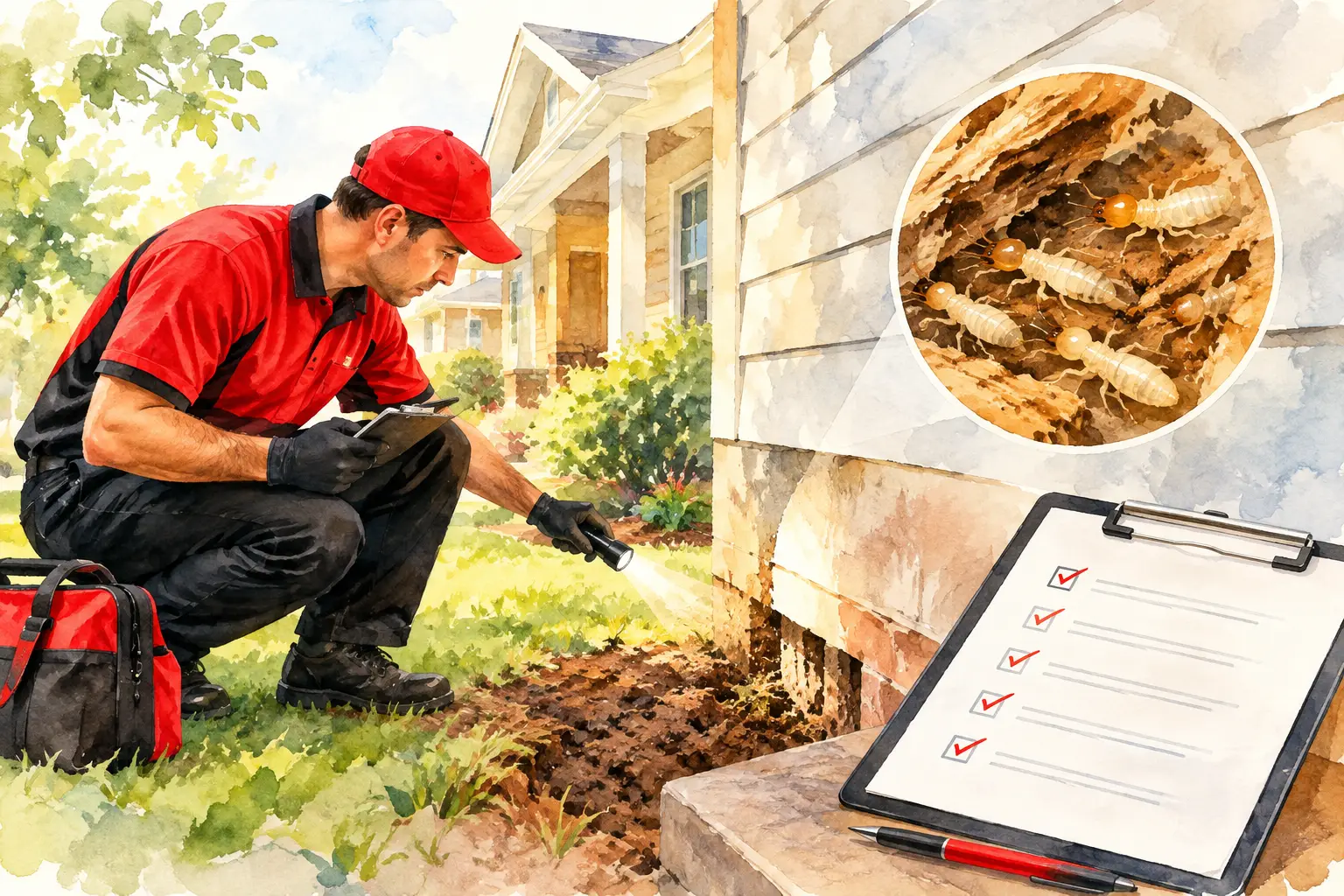
A thorough appointment begins with identifying the system and reviewing the available treatment history. The technician examines accessible emitter points, service ports, perimeter conditions, and areas where termite activity is most likely to be concealed. They should look beyond the refill pipework to inspect the building itself.
Where the system is suitable, the approved chemical is introduced through the reticulation network to recharge the intended soil treatment zone. The process is designed to distribute product through emitters rather than relying on a superficial perimeter spray. Access, pipe condition, blockages, and the installed design can affect how the work is carried out.
You should receive clear records of the product used, the treatment areas, observations made, and recommendations for the next inspection or refill review. TERMITE HELP can also assess and repair serviceable reticulation systems across several installed brands when Termguard components are not the only protection on site.
| Situation | Best next step |
|---|---|
| You have a dated treatment certificate | Book before the stated review or replenishment period ends, with an inspection included. |
| You know there is Termguard but have no records | Arrange a system and termite-risk assessment before assuming the barrier remains current. |
| A port is damaged or buried | Have access and pipework assessed or repaired before replenishment. |
| Mud tubes, damaged timber, or live insects are found | Treat this as urgent. Active termites may require a targeted treatment plan, not just a refill. |
Warning signs that should not wait for the next refill
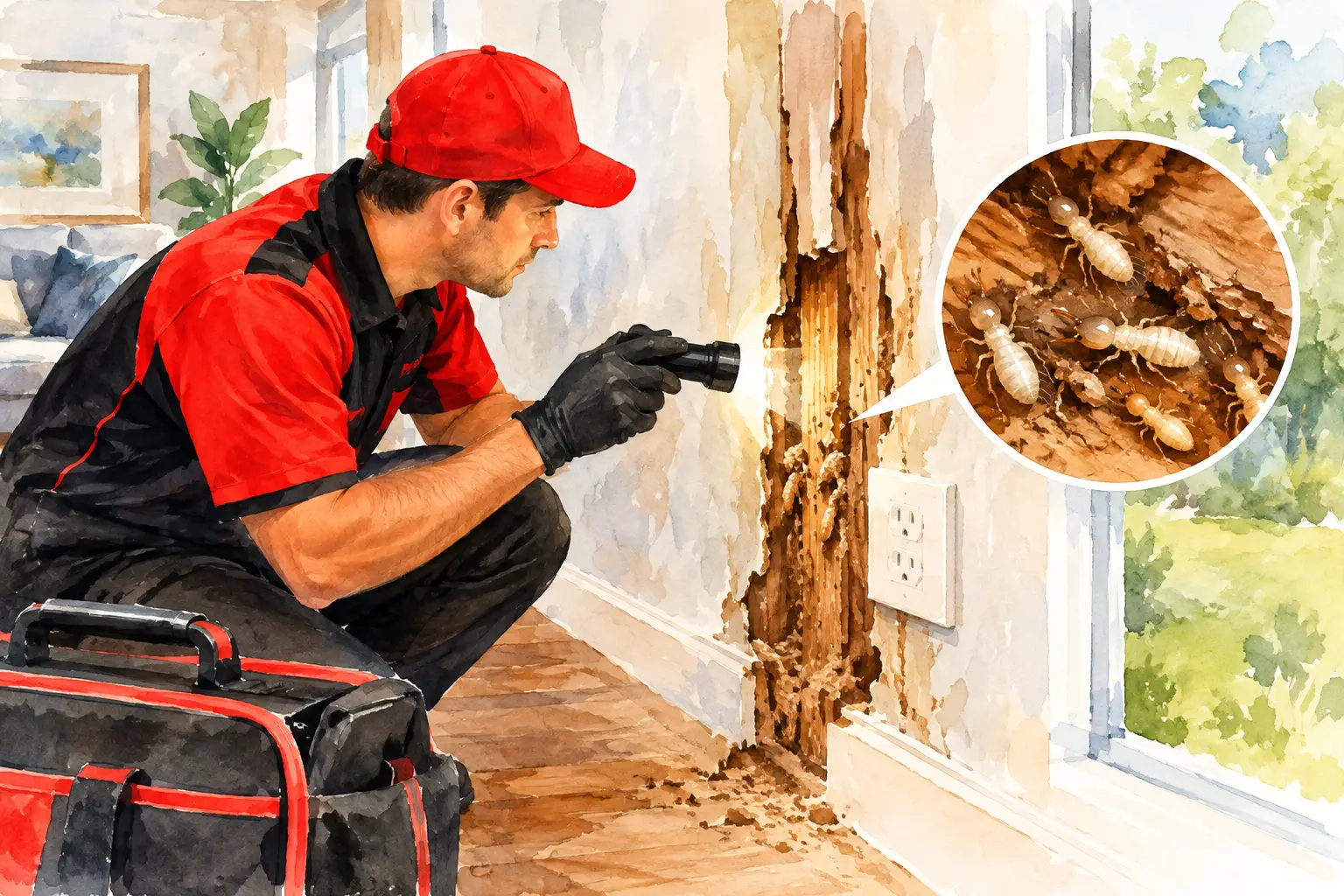
Termites usually remain hidden, so visible evidence should be treated seriously. Pencil-thin mud tubes on brickwork, piers, plumbing penetrations, or garage walls can indicate concealed travel. Hollow-sounding timber, bubbling paint, tight doors or windows, and unexplained damage around skirting boards can also justify an urgent inspection.
Do not break open suspected termite workings or spray insects with household chemicals. Disturbing an active colony can cause it to retreat and relocate, making professional treatment more difficult. A technician can determine whether activity is current and recommend the most appropriate response, which may include targeted chemical treatment, baiting, monitoring, or treatment of vulnerable wall cavities.
Refill, repair, or another termite treatment?
A working Termguard system is an efficient way to maintain a chemical soil barrier, but it is not always the complete answer. If pipework is damaged, access points are inaccessible, or building changes have created untreated risk areas, repairs and supplemental treatment may be necessary. For a system that cannot be used effectively, localized termite treatment may provide a more suitable immediate defense.
Baiting and monitoring can be useful where ongoing termite pressure is high or where a colony needs to be addressed directly. Chemical soil treatment can protect specific exposed zones. The best choice depends on whether the concern is barrier maintenance, active termites, a system fault, or a combination of these issues.
Practical advice
Make refill points easy to locate. Avoid permanently covering caps with mulch, soil, pavers, or fixed garden structures. Clear access supports safer servicing and makes future barrier maintenance simpler.
Protect the barrier between appointments
Good maintenance reduces avoidable termite risk. Keep soil and mulch below weep holes, direct air-conditioner and roof water away from the building, repair leaks, and avoid storing timber or cardboard against exterior walls. These steps do not replace a Termguard refill, but they reduce moisture and concealed pathways that can favor termites.
If you are buying a Leppington property, ask whether a reticulation system is installed and request all treatment certificates. Then arrange an independent inspection rather than relying on the presence of visible refill ports as proof of current protection. A system is only as useful as its condition, treatment history, and ongoing service plan.
Your home deserves more than a calendar reminder. Book a professional assessment when the refill window is approaching, after significant site changes, or immediately when termite warning signs appear. Early action keeps the focus where it belongs: protecting the structure before hidden damage becomes an expensive discovery.