
A reticulation system only protects your home while its chemical barrier remains correctly charged and capable of reaching the soil where termites travel. For homeowners asking about an Austral Termguard Refill: When to Book, the answer is not simply “every few years.” The right timing depends on the product previously used, your system’s condition, local termite pressure, landscaping changes, and the results of a professional inspection.
Termguard is designed to distribute termiticide through pipework installed beneath or around a building. It is a valuable part of long-term protection, particularly for homes built in termite-prone areas such as Kellyville, Castle Hill, Baulkham Hills, Stanhope Gardens, and the wider Hills District. However, it does not replace regular inspections. A refill maintains the barrier; an inspection checks whether termites have found a bridge around it.
When to Book an Austral Termguard Refill
The most reliable trigger is the refill interval specified for the chemical used in your system. Different registered termiticides have different label directions and expected service lives. A licensed technician should identify the existing product where records are available, inspect the system, and recommend a refill date that fits the product label and your home’s risk profile.
As a practical rule, book an assessment before your documented refill due date, not after it. This leaves time to locate damaged emitter points, repair access valves, assess landscaping, and plan the service without allowing the chemical barrier to lapse.
If you have just purchased a property and cannot obtain clear Termguard service records, arrange an inspection promptly. An unlabeled pipe network, a missing service sticker, or a former owner’s verbal assurance is not enough to confirm that an active barrier remains in place.
Practical advice
Keep every Termguard refill certificate, inspection report, and chemical record with your property documents. These records help establish the next service window and give future buyers confidence that termite protection has been maintained.
Do Not Wait for a Scheduled Refill If You See Warning Signs
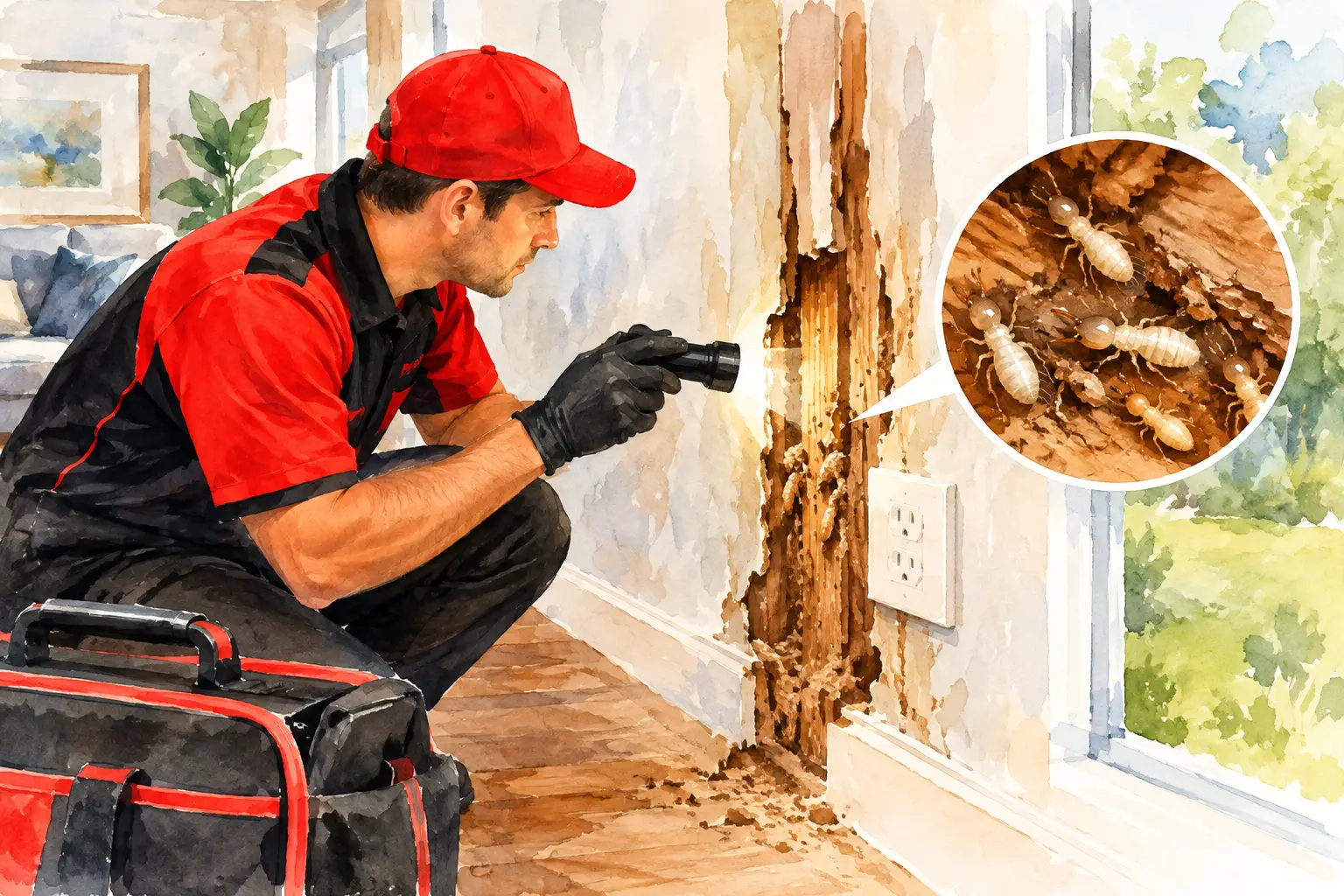
A reticulation refill is planned prevention. Suspected termite activity is a separate, more urgent issue. If you notice mud shelter tubes on brickwork, piers, service penetrations, retaining walls, or inside a subfloor, arrange a professional termite inspection instead of assuming a top-up alone will solve the problem.
Other warning signs include soft or hollow-sounding timber, bubbling paint, tight doors or windows, fine soil deposits near skirting boards, or unexplained damage around window frames. Subterranean termites often remain concealed, so visible damage can represent a much larger hidden problem.
Do not disturb mud tubes, spray household insecticide, or pull apart affected timber before the inspection. Disturbance can cause termites to retreat and makes it harder to identify their entry point. A technician can assess accessible areas, use moisture and thermal detection where appropriate, and determine whether the system needs refilling, repairing, or supporting treatment.
For a thorough assessment of an existing barrier and the home around it, see our termite inspection services. Inspections remain essential even when a Termguard system is current.
What Happens During a Termguard Refill?
A professional refill begins with more than connecting a hose to a valve. The technician identifies the fill points, assesses whether access is safe, checks visible pipework and caps, and looks for signs of damage from garden works, paving, additions, drainage changes, or renovations.
The selected termiticide is then introduced through the reticulation lines at controlled pressure. The goal is to deliver chemical through the system’s emitters into the designated soil treatment zone. The exact volume, concentration, and method must suit the installed layout, the chemical label, and site conditions.
Afterward, you should receive clear service documentation stating what was applied, where it was applied, and when the next review or refill is due. If the system cannot be adequately charged because of a break, blockage, inaccessible valve, or altered building layout, that should be explained before the work proceeds.
Refill, Repair, or New Treatment?
A functioning Termguard network can make barrier maintenance less disruptive than trenching around established paving and gardens. But it is not always the best or only treatment path. A cracked pipe, blocked line, extension built over the original treatment zone, or termite activity in a wall cavity may require a different response.
| Situation | Best next step | Why it matters |
|---|---|---|
| Documented system with no activity | Scheduled refill and annual inspection | Maintains the chemical barrier and checks for concealed entry. |
| Damaged valve, pipe, or inaccessible line | System repair assessment | A refill cannot protect soil that the system cannot reach. |
| Live termites or fresh shelter tubes | Inspection and targeted treatment plan | Active termites may need direct treatment, baiting, or wall-cavity work. |
| No service history after purchase | Inspection, system identification, and written plan | Prevents an unknown protection gap from being overlooked. |
Where active termites are confirmed, a non-repellent soil treatment may be recommended to create a treatment zone that termites cannot easily detect. Baiting systems can also be useful where soil treatment access is limited or where colony elimination is the preferred strategy. Review the available termite treatment options with a technician before choosing a response.
Conditions That Can Shorten a Barrier’s Effective Life
The chemical label remains the starting point for refill timing, but a property can change substantially after construction. New garden beds against the slab edge, thick mulch, stored timber, leaking taps, blocked drains, and soil built up above weep holes can create favorable termite conditions or concealed entry routes.
Renovations deserve special attention. Decks, pergolas, extensions, new paths, and utility works can disturb treated soil or cover inspection zones. If you are planning building work, tell the contractor that a reticulation system is installed and book an assessment once the work is complete. It may be necessary to repair the original protection or install supplementary treatment in newly exposed risk areas.
Homes on sloping blocks, with subfloors, mature gardens, or nearby bushland can also need closer monitoring. This does not automatically mean more chemical is required. It means the inspection schedule and prevention plan should reflect the property rather than a generic calendar reminder.
Practical advice
Keep soil and mulch below visible weep holes, repair moisture leaks promptly, and avoid stacking timber against the house. These simple measures make inspection easier and reduce conditions termites favor.
Annual Inspections Still Matter
No chemical barrier can guarantee that termites will never attempt to enter. A Termguard system treats a defined zone, while termites can exploit untreated paths created by moisture, landscaping, building alterations, cracks, concealed services, or inaccessible areas.
That is why annual professional inspections are generally recommended for homes in termite-prone parts of Sydney, the Central Coast, and Wollongong. Higher-risk sites may need more frequent reviews. Your inspector can recommend an interval based on construction type, previous termite history, surrounding vegetation, and the condition of the existing protection.
TERMITE HELP services Termguard and other installed reticulation brands, including TermStop, TermX, Altis, Camilleri, Cavtech, and Reterm. If termite activity persists after a treatment service, our team will return to assess and re-treat in line with the service plan, at no additional charge.
Book Before the Protection Gap Grows
If your Austral Termguard refill is approaching, your service records are unclear, or your garden and building layout have changed since the last treatment, arrange an assessment now. A planned refill is simpler, clearer, and far less stressful than discovering termite damage after the barrier has lapsed.
A well-maintained Termguard system is not a set-and-forget feature. Treat its refill date as part of protecting the house you have worked hard to own, and let inspection findings guide the next step.